

Written by Lisa Kremeier, PADI Open Water Scuba Instructor, diving on Bonaire.
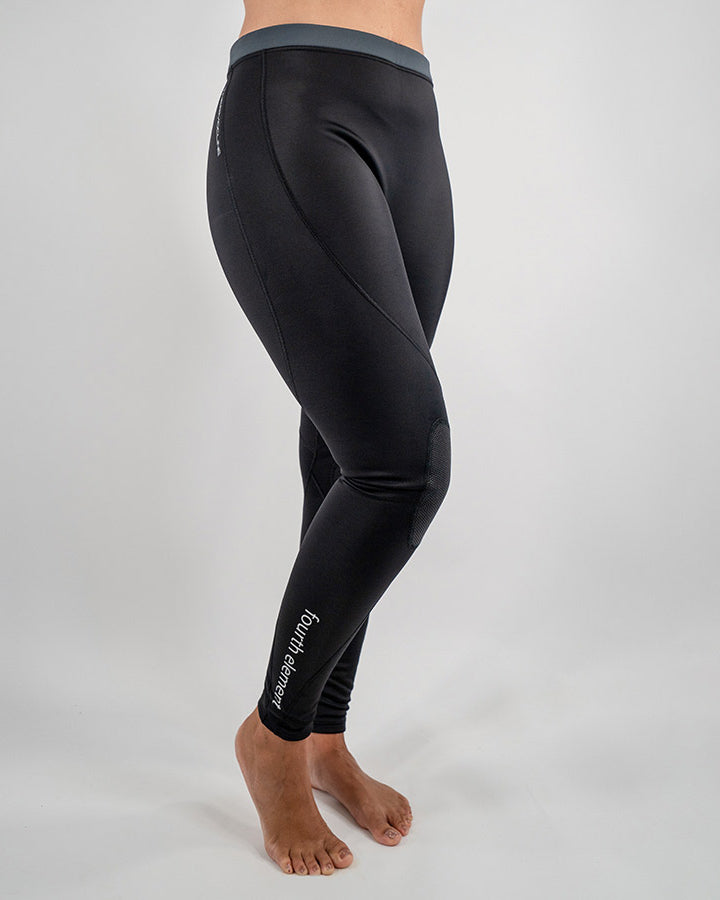
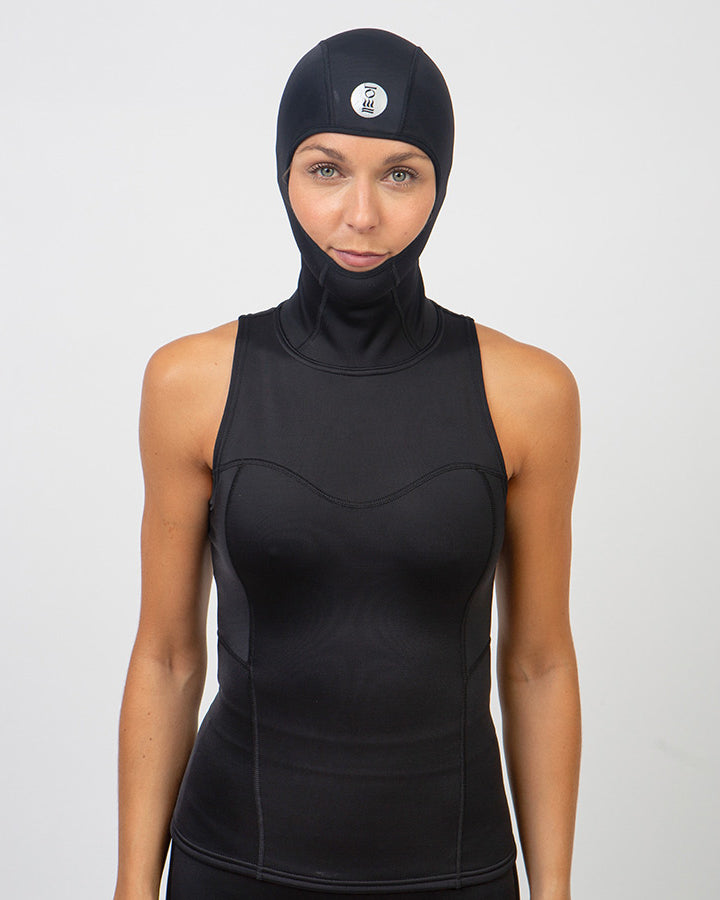
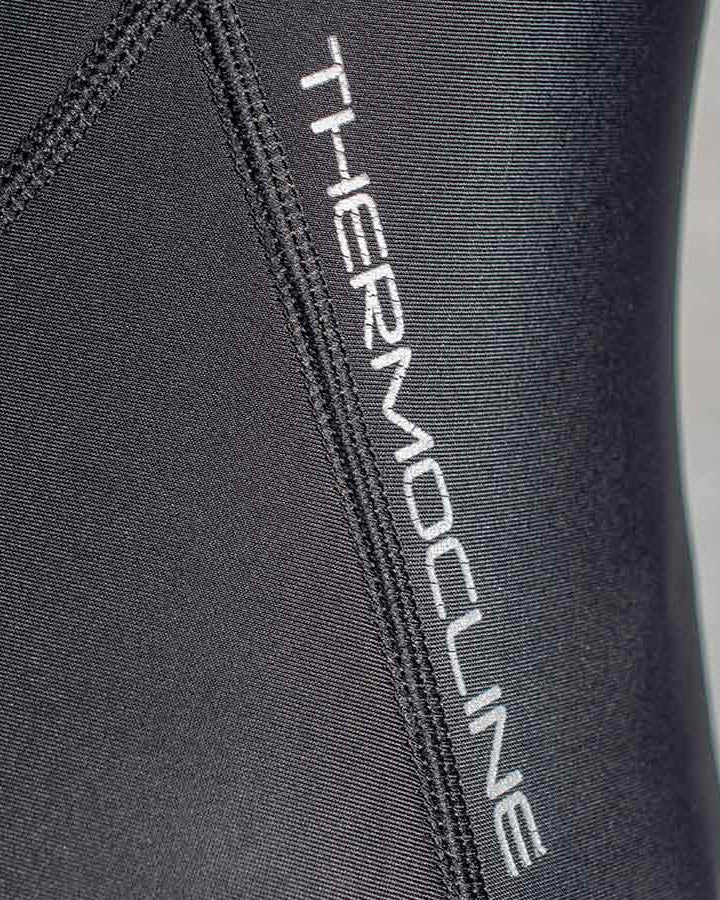
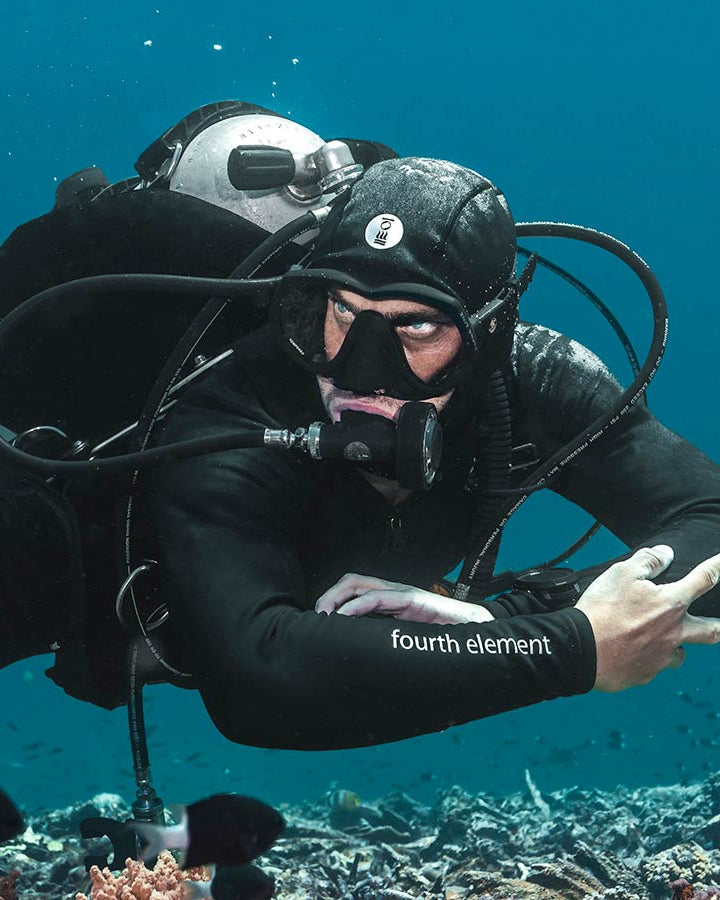
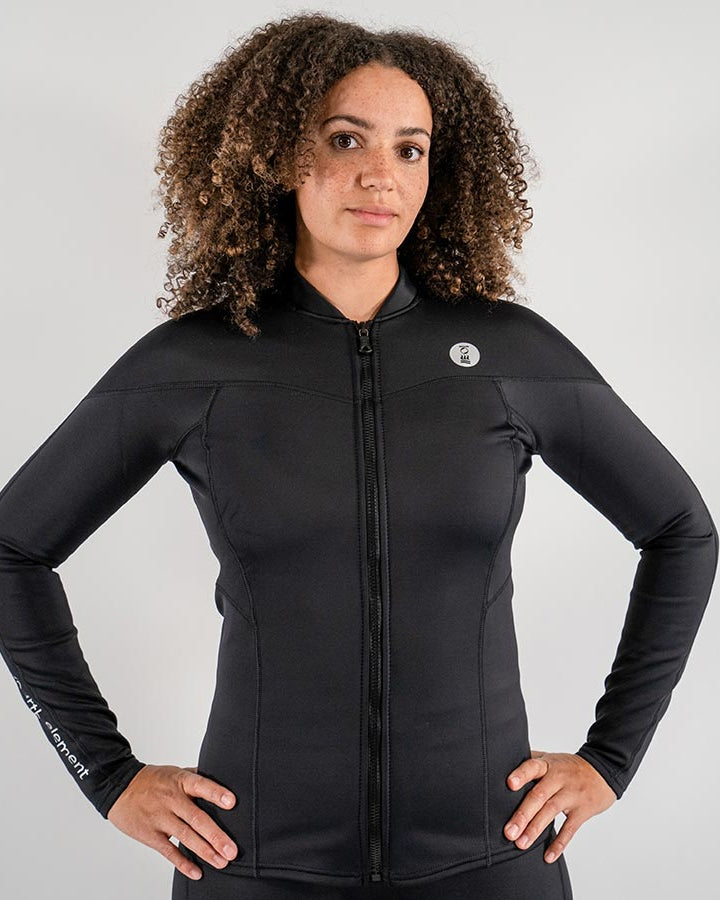
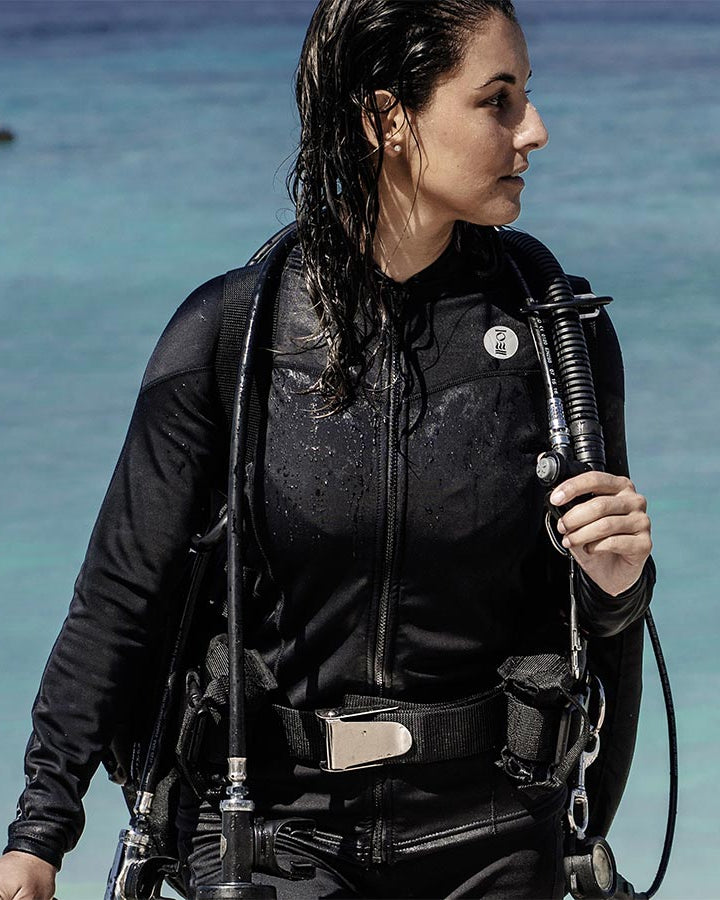
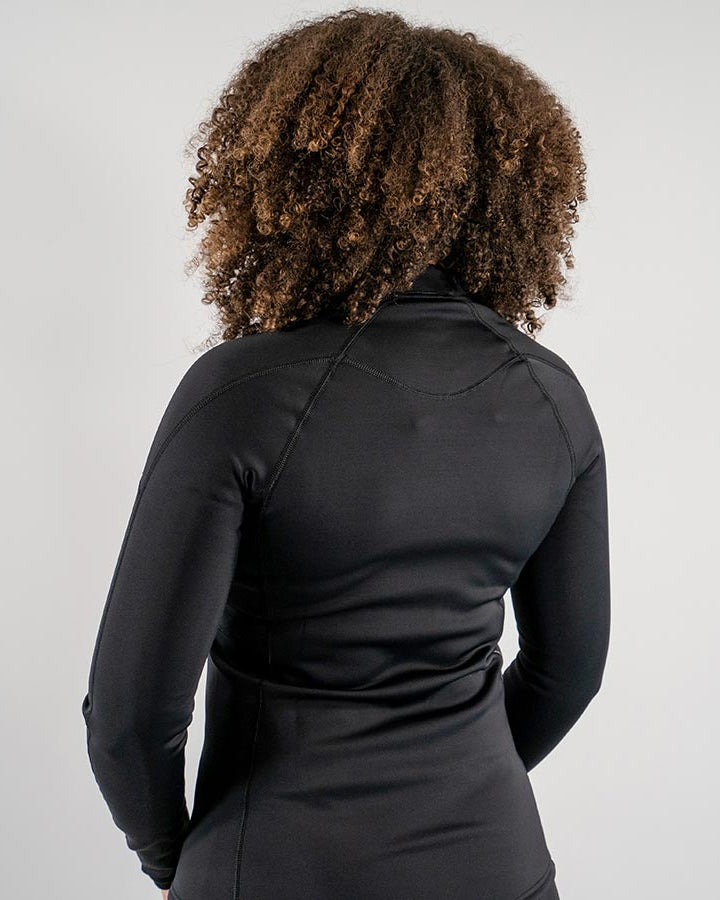
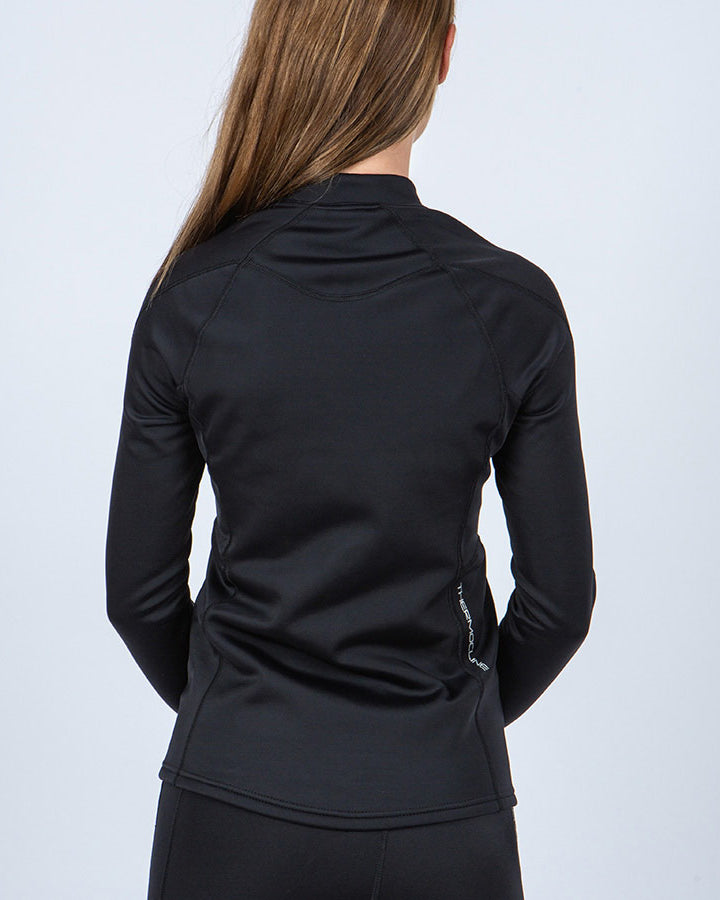
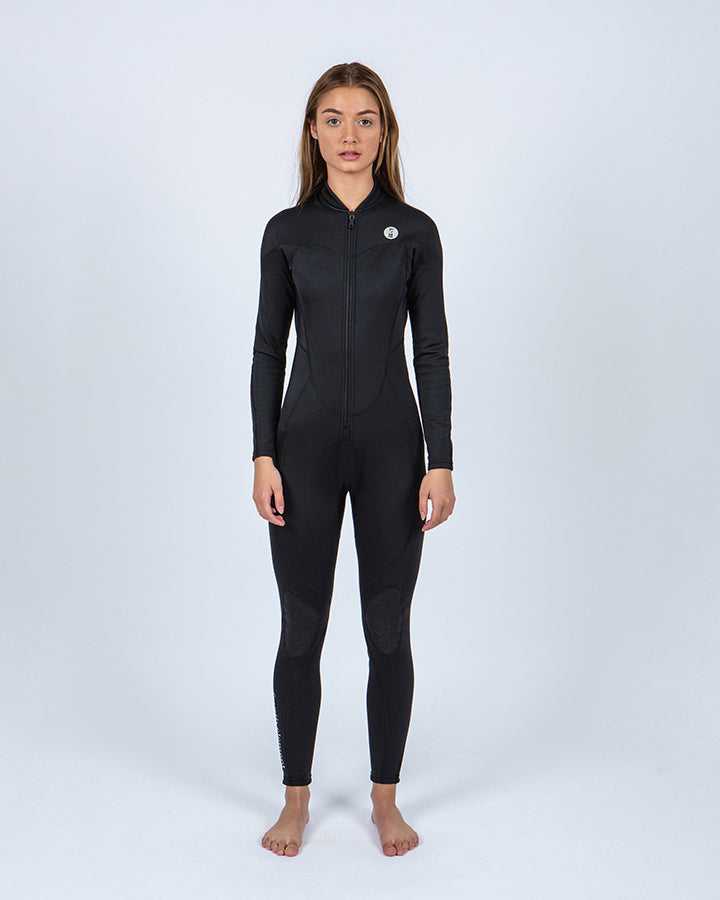
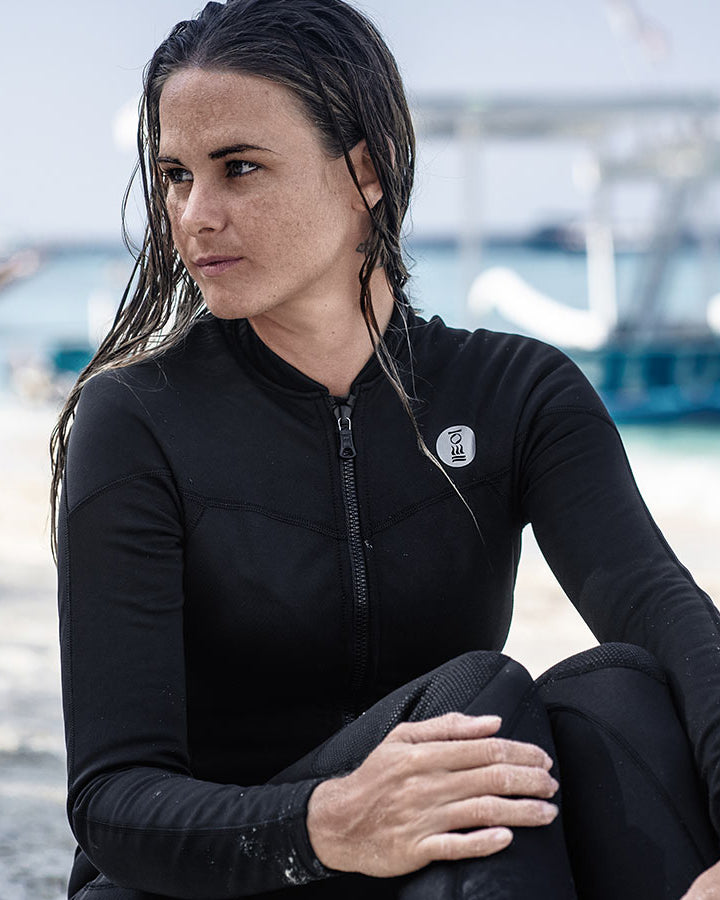
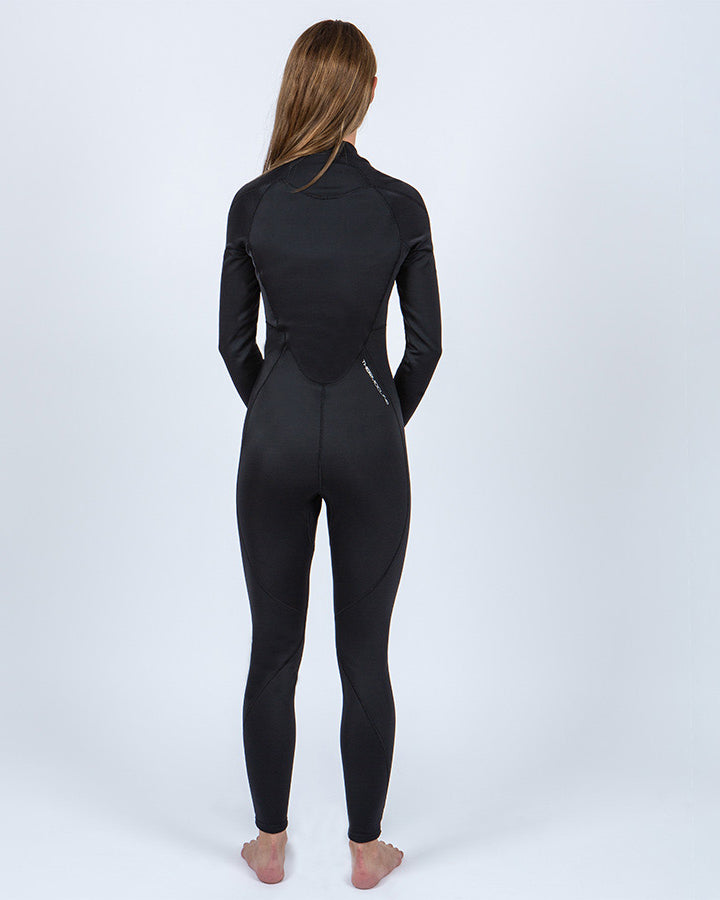
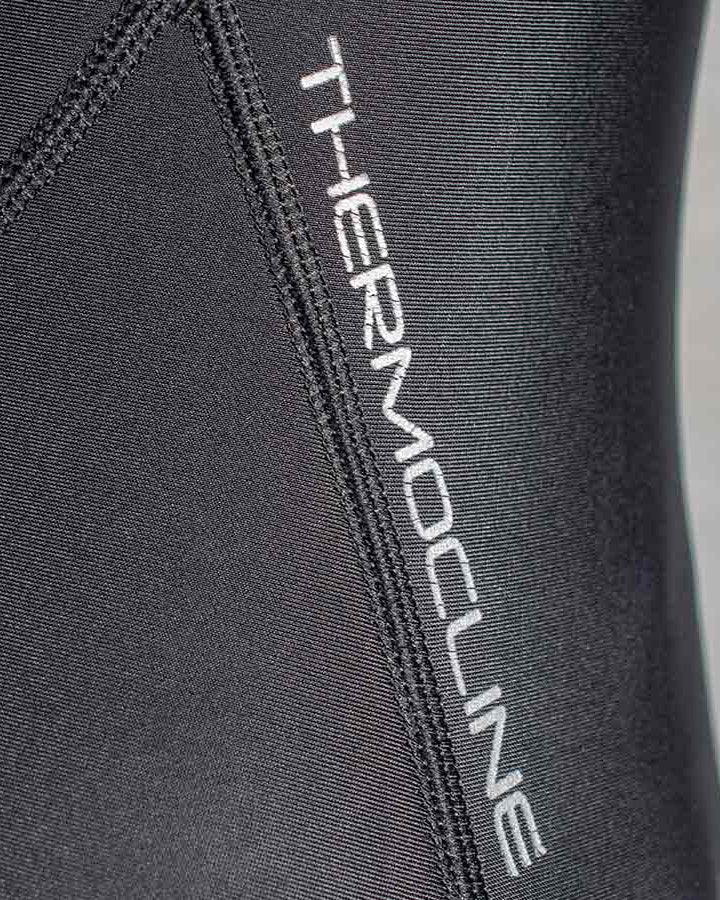
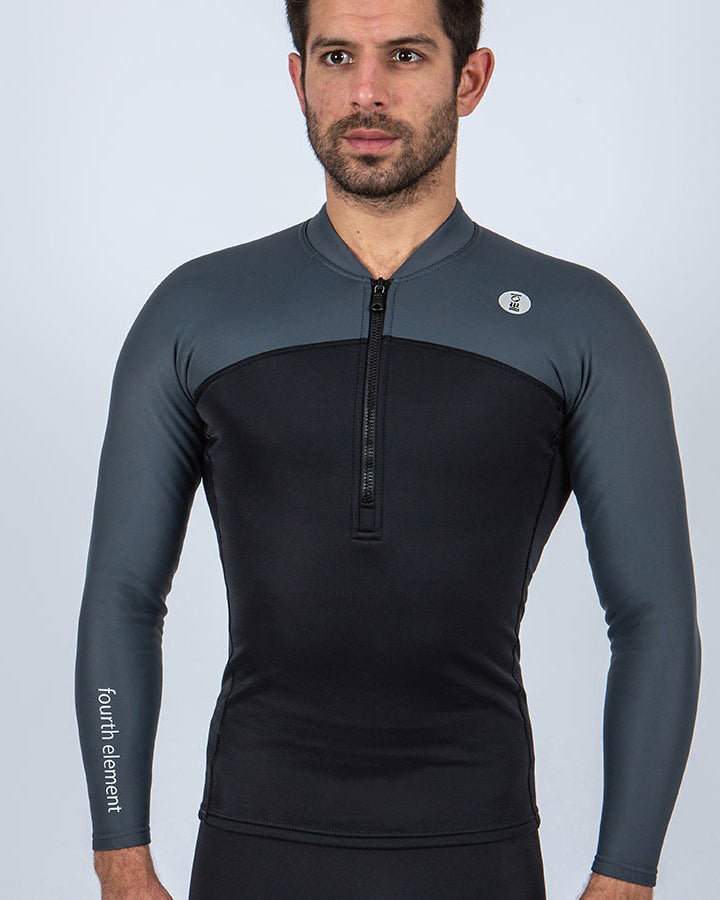
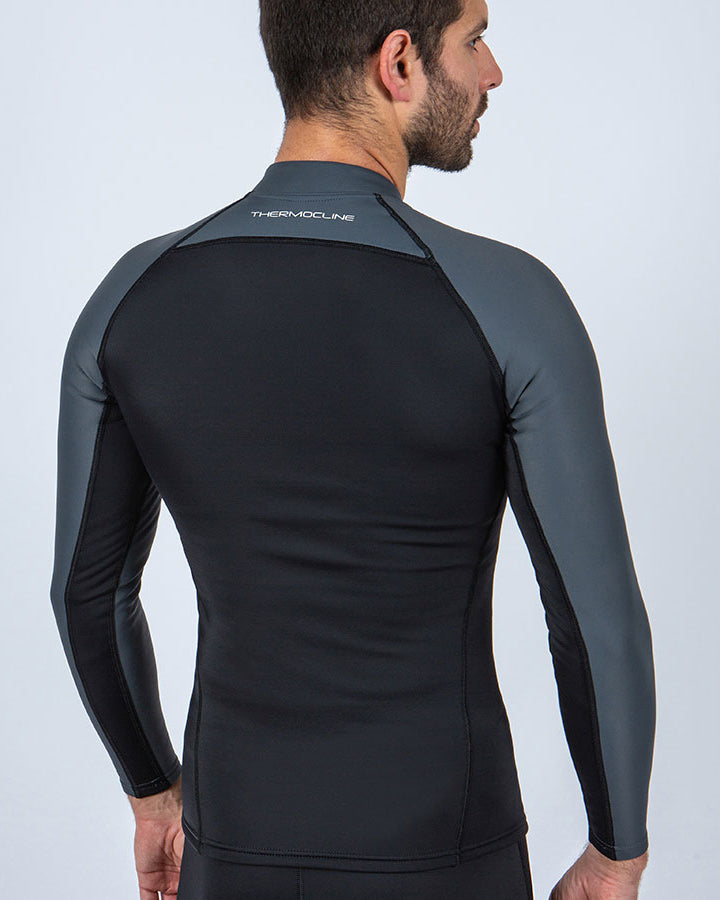
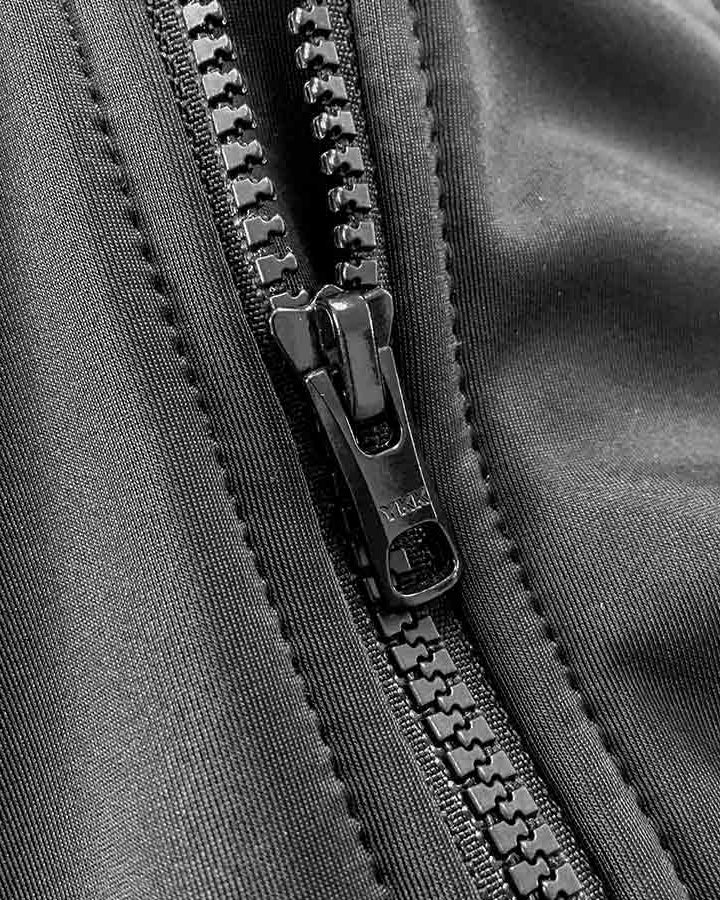
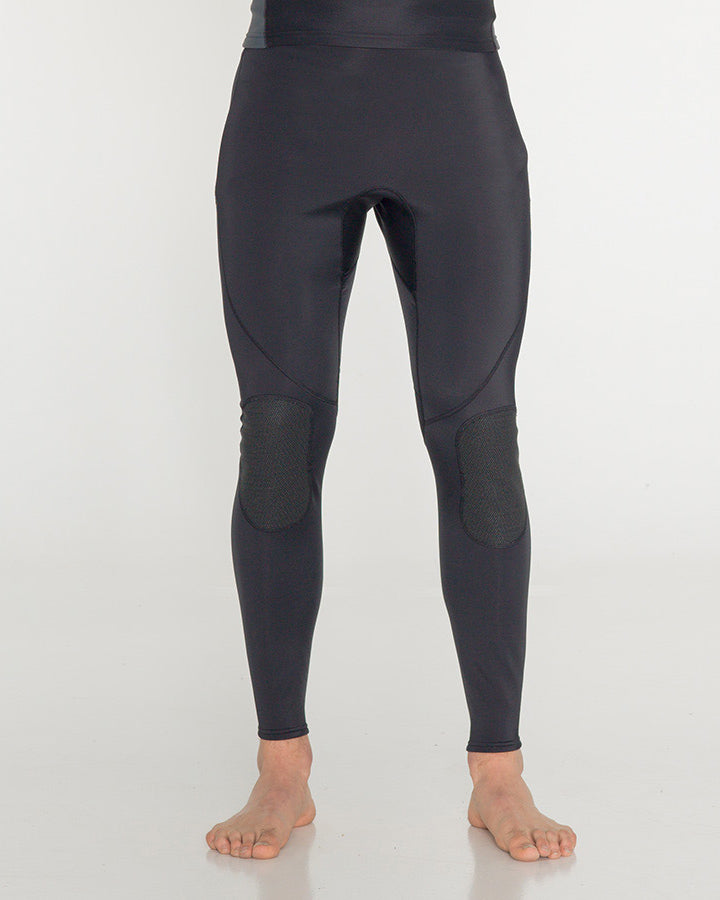
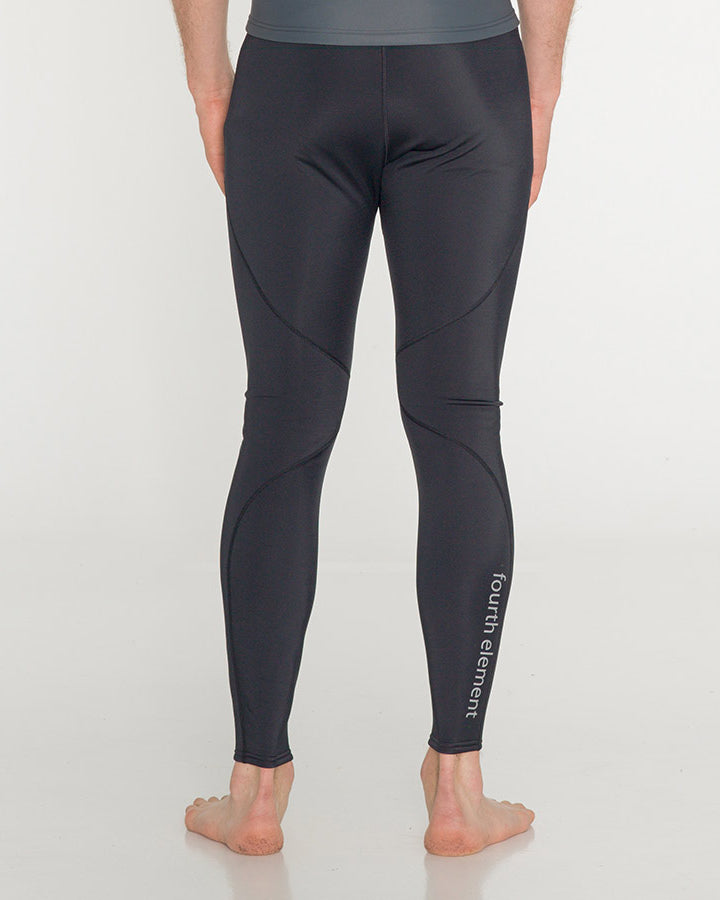
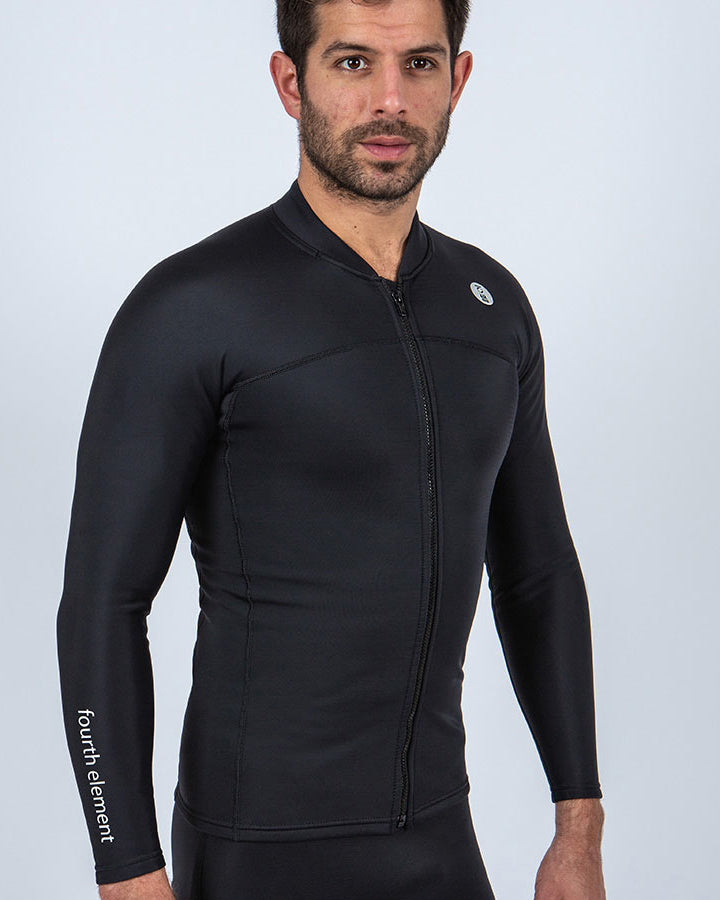
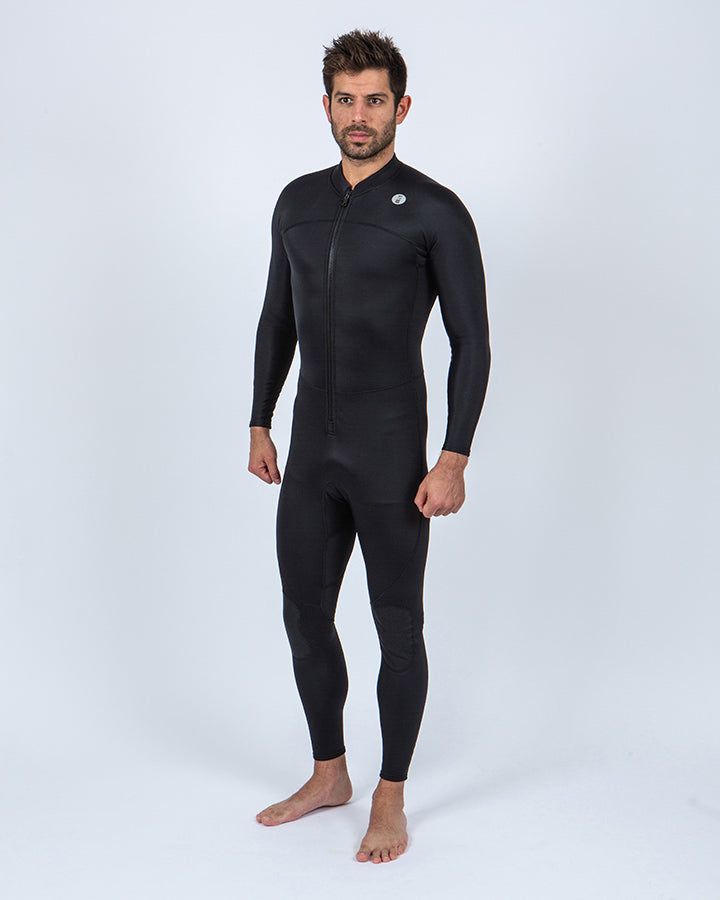
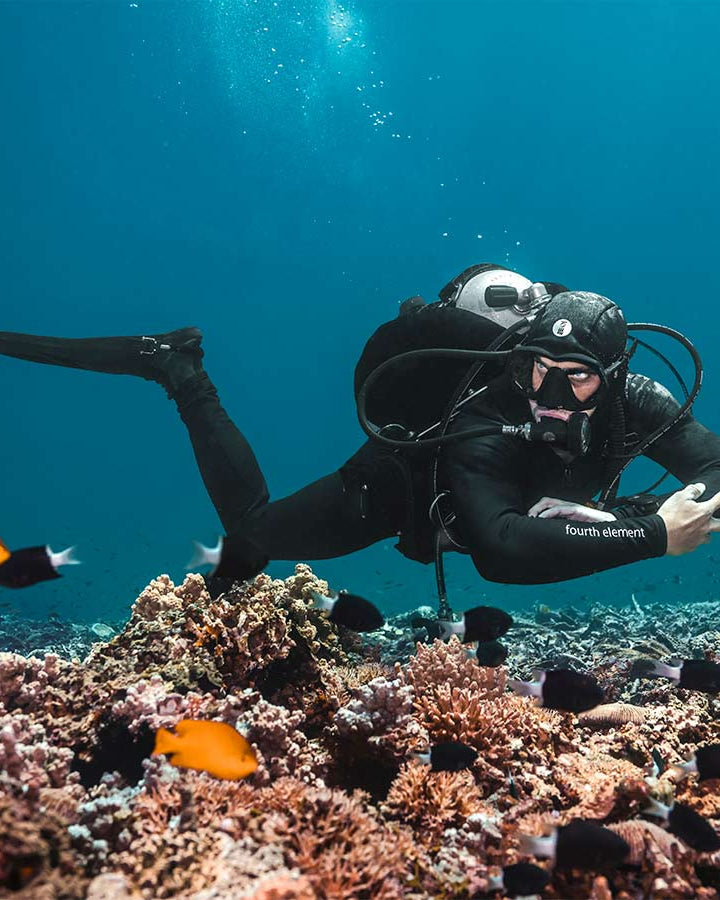
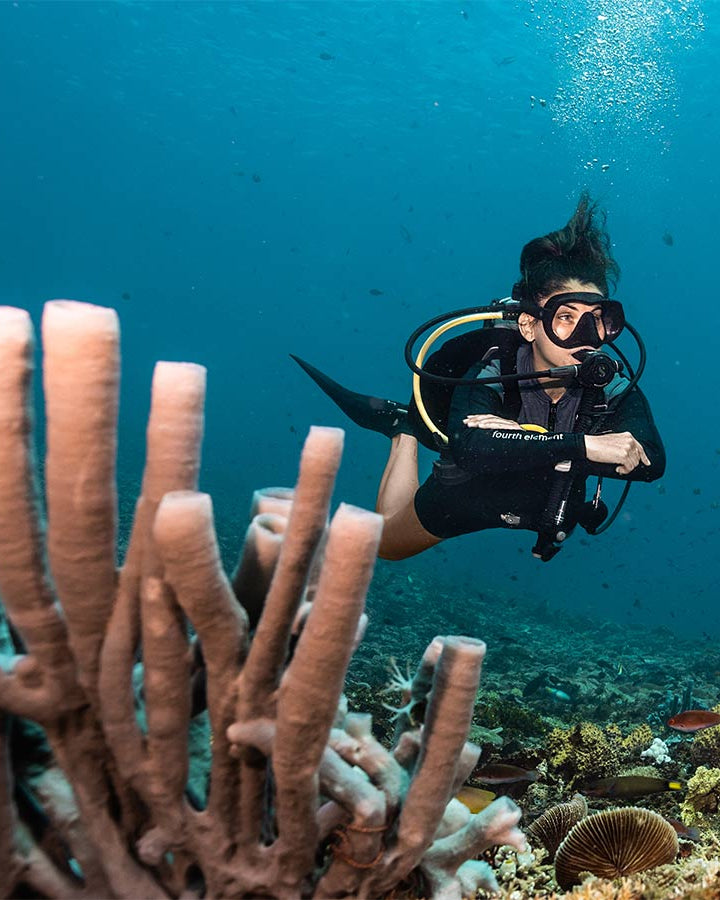
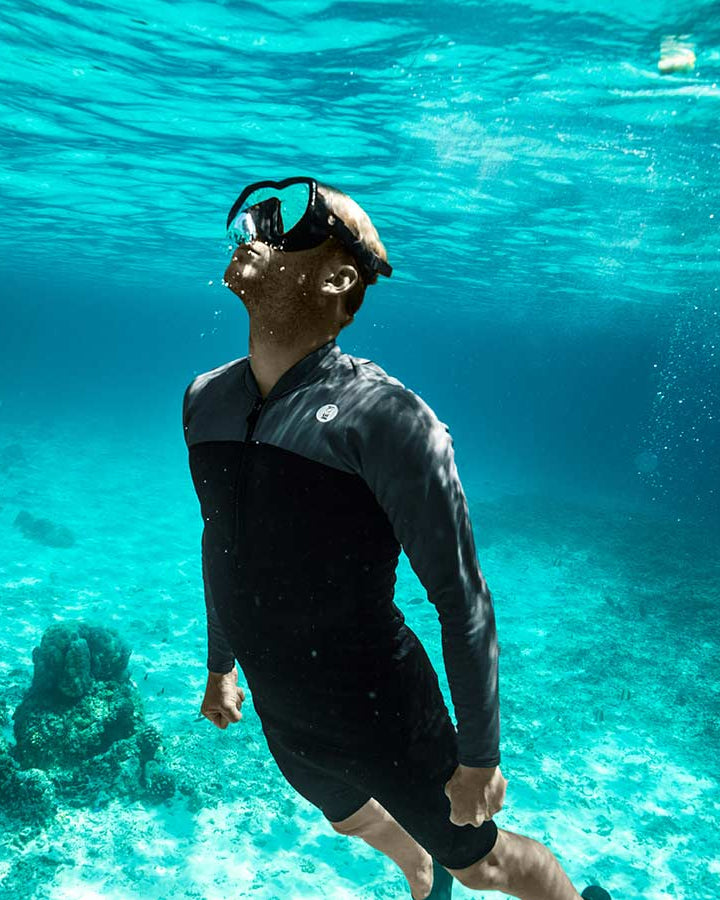
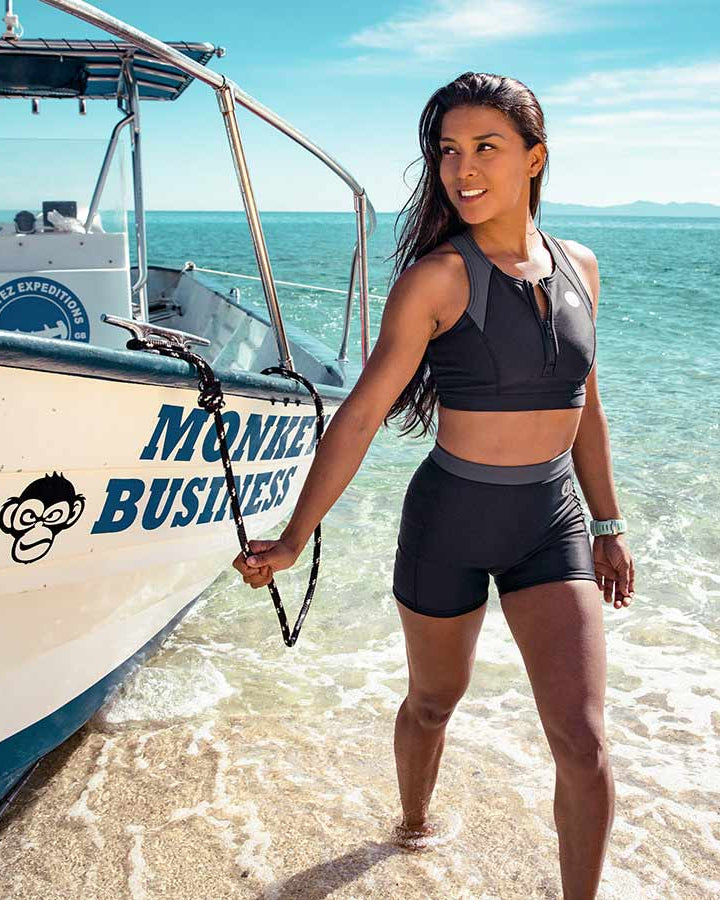
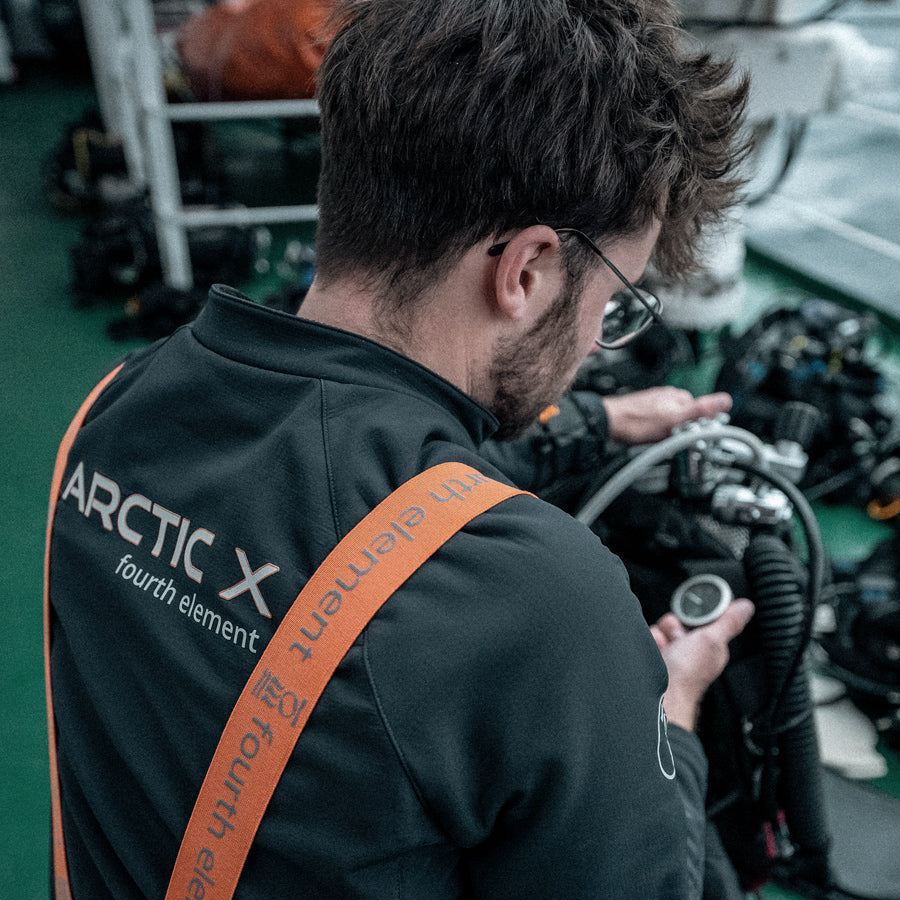
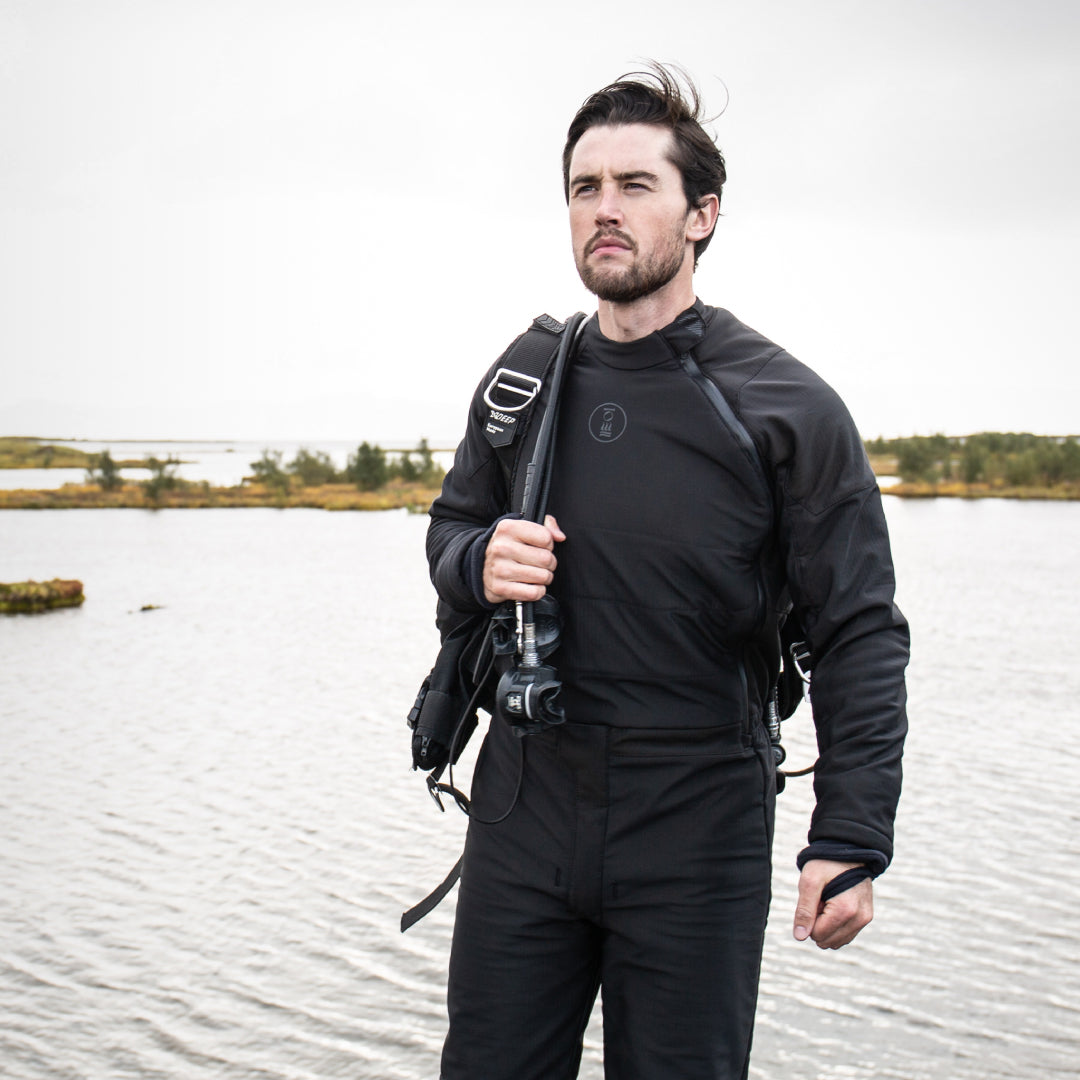
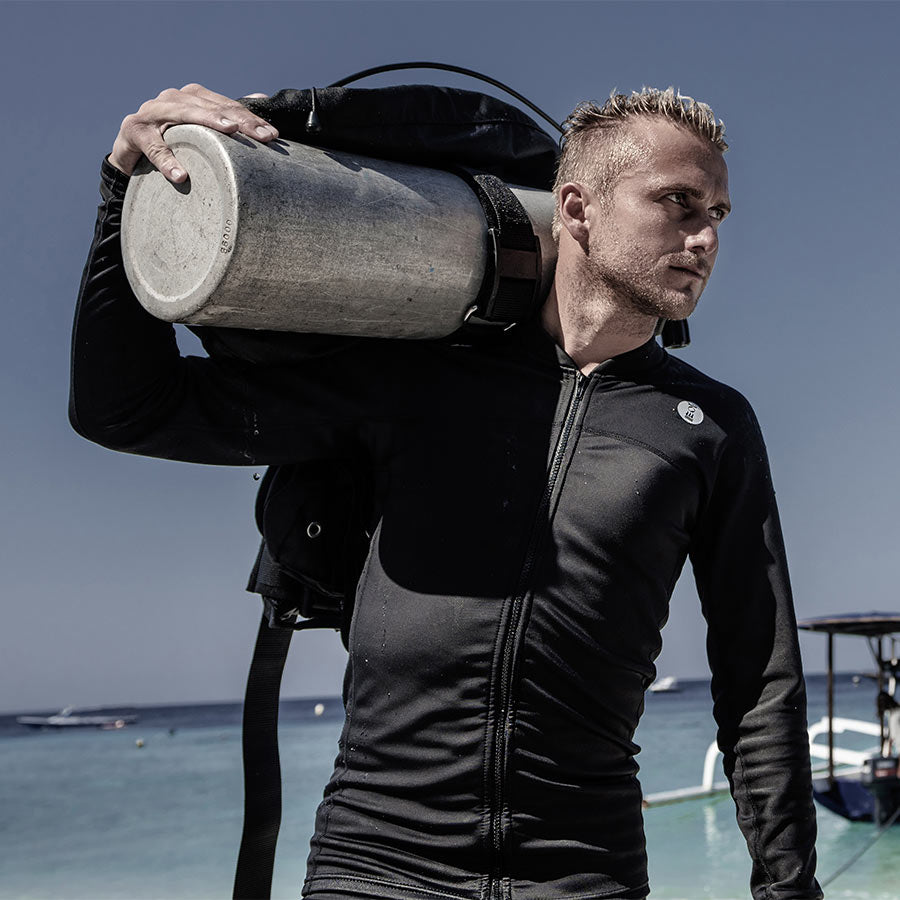
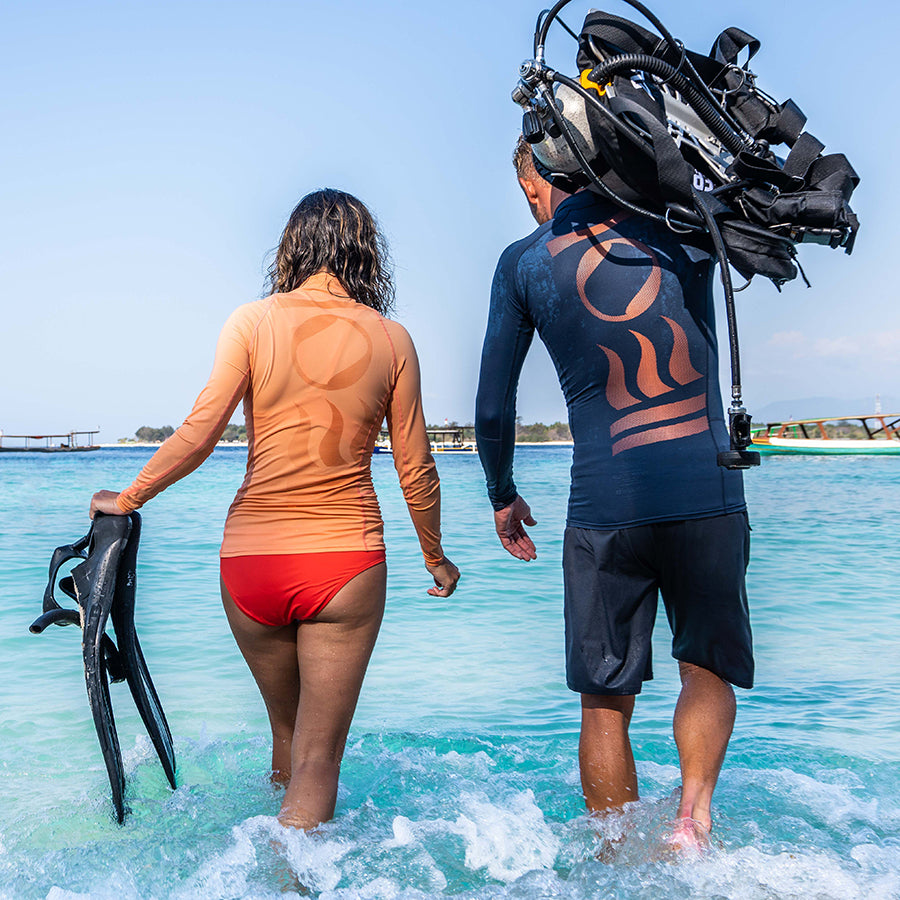
The Fourth Element Thermocline is a neoprene-free wetsuit system that gives the thermal protection of 2mm neoprene, weighs less than 1kg, and packs into the last free corner of your luggage. Wear it on its own in warm water, or as a barrier layer under a wetsuit, for diving, freediving, snorkeling, and surface watersports.

What is the Thermocline?
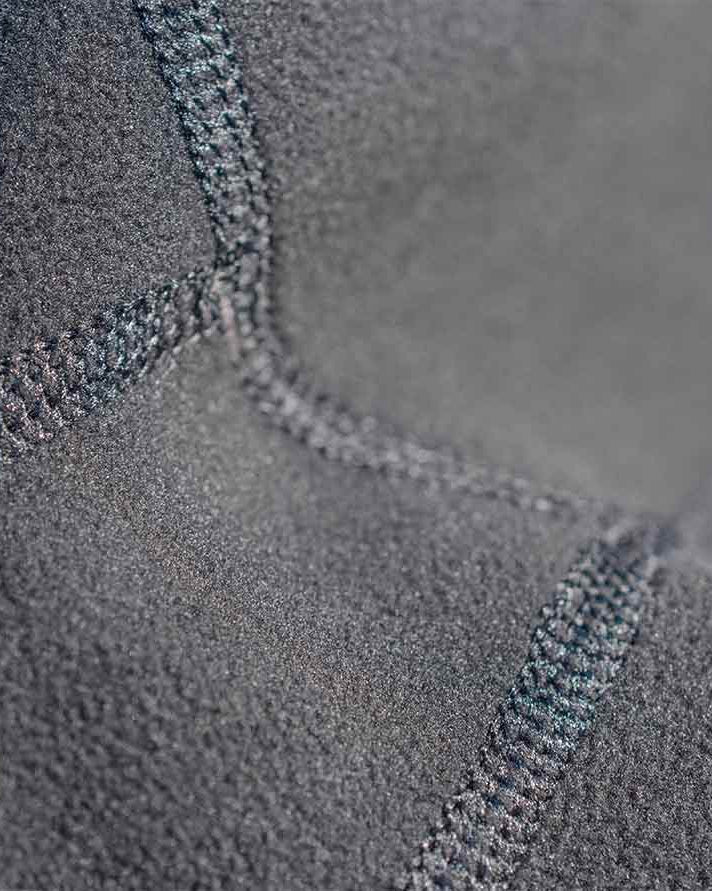
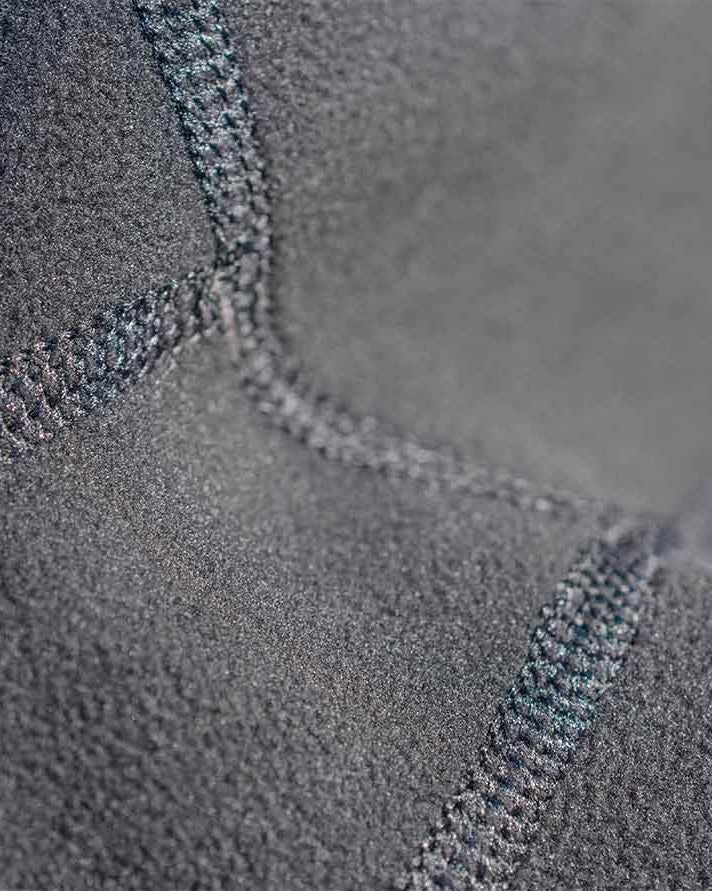
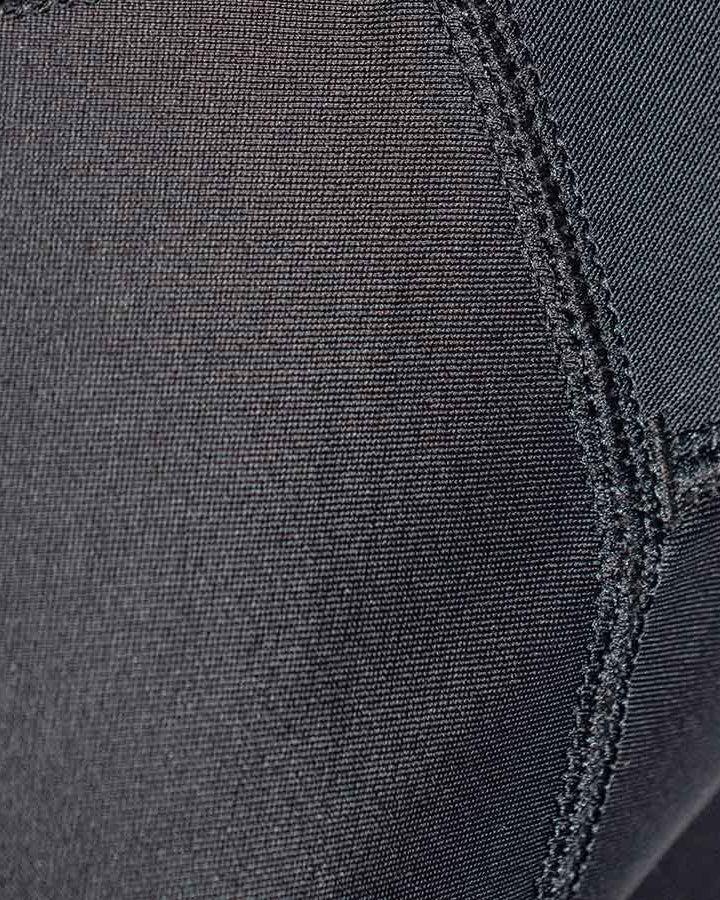
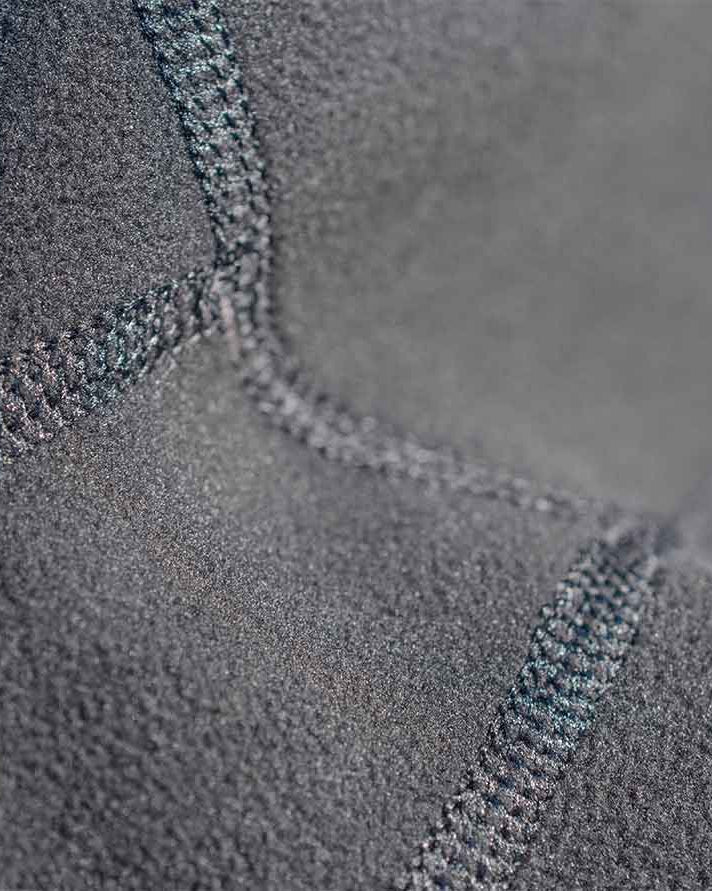
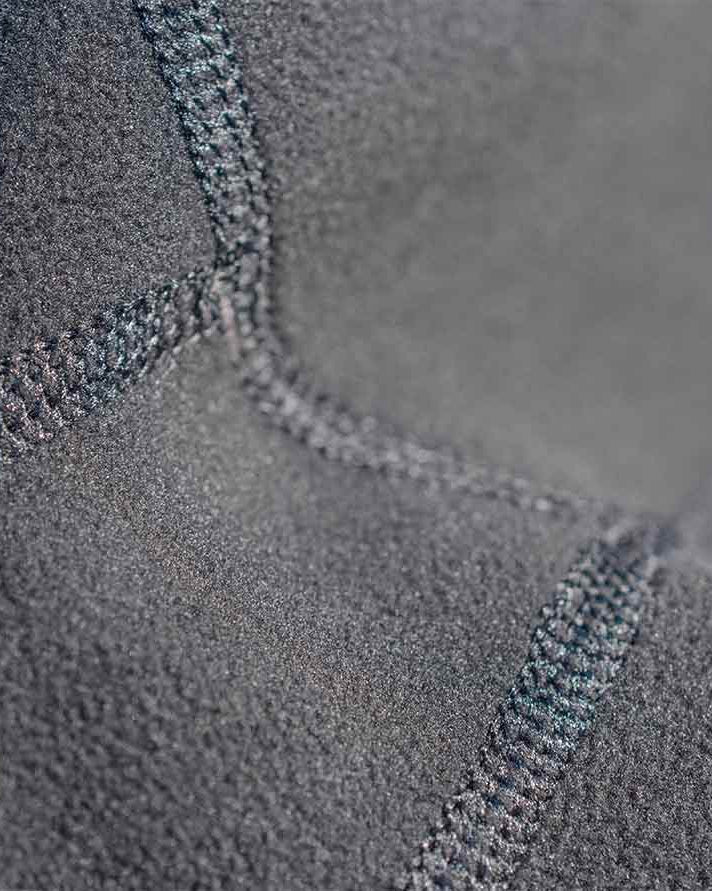
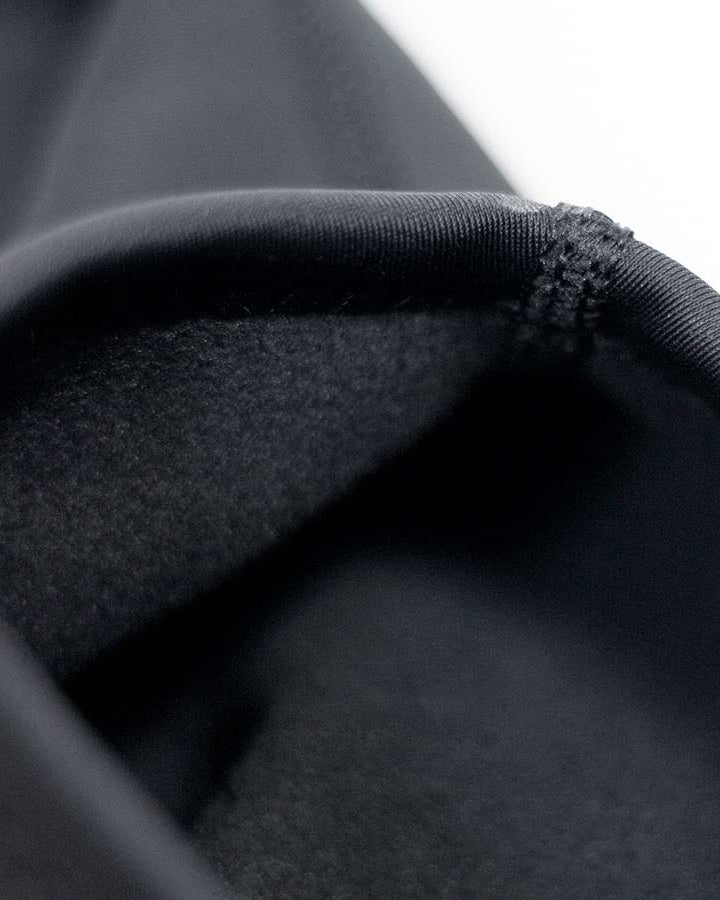
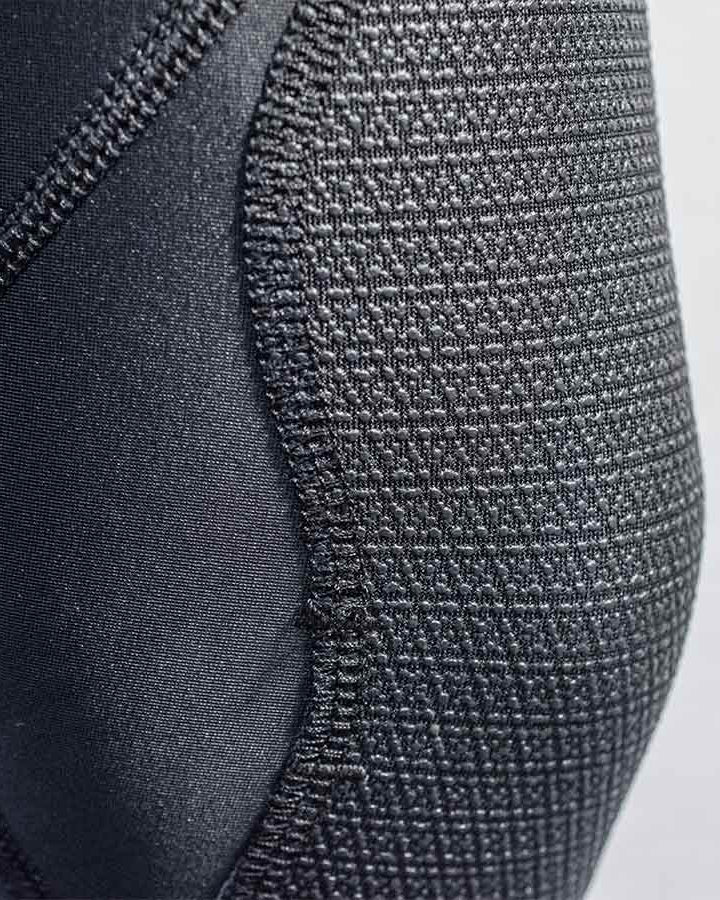
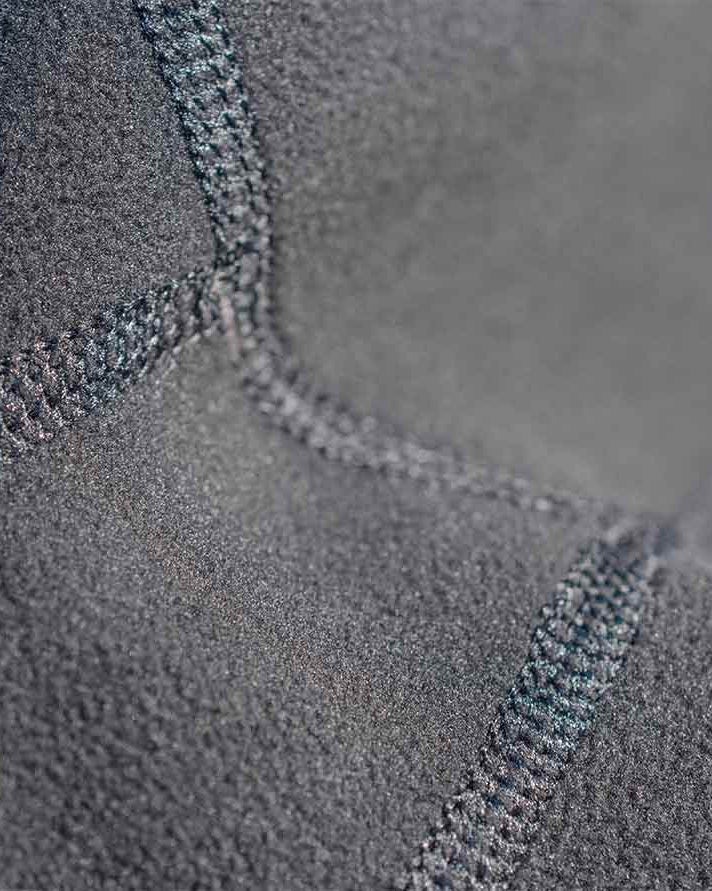
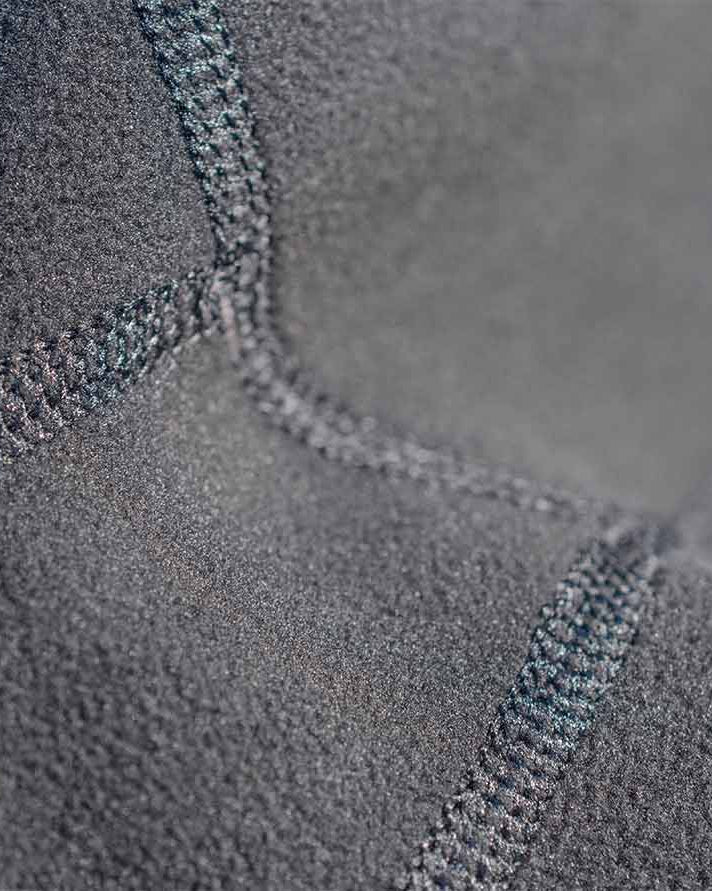
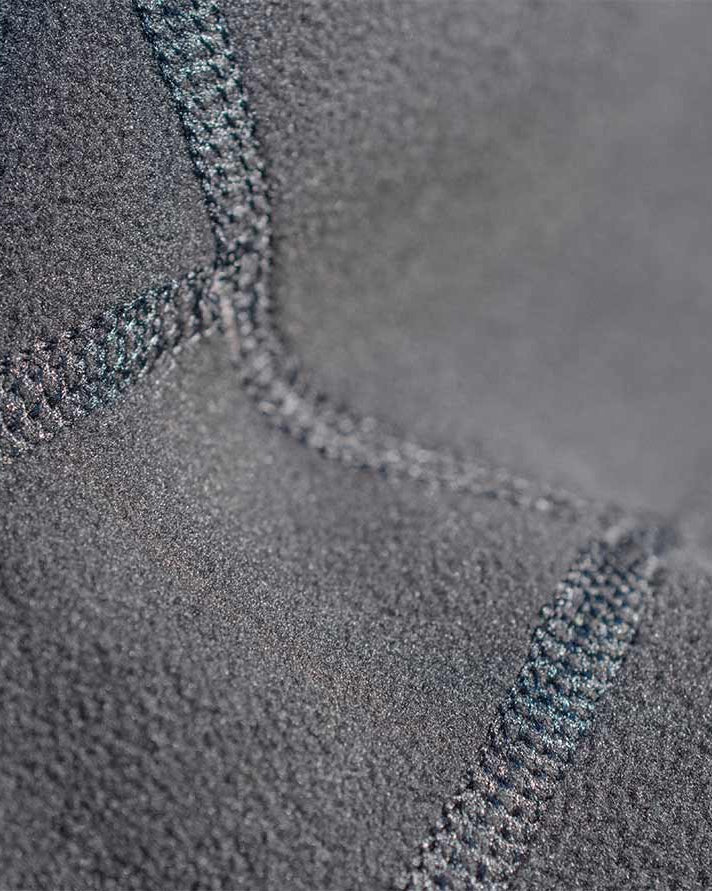
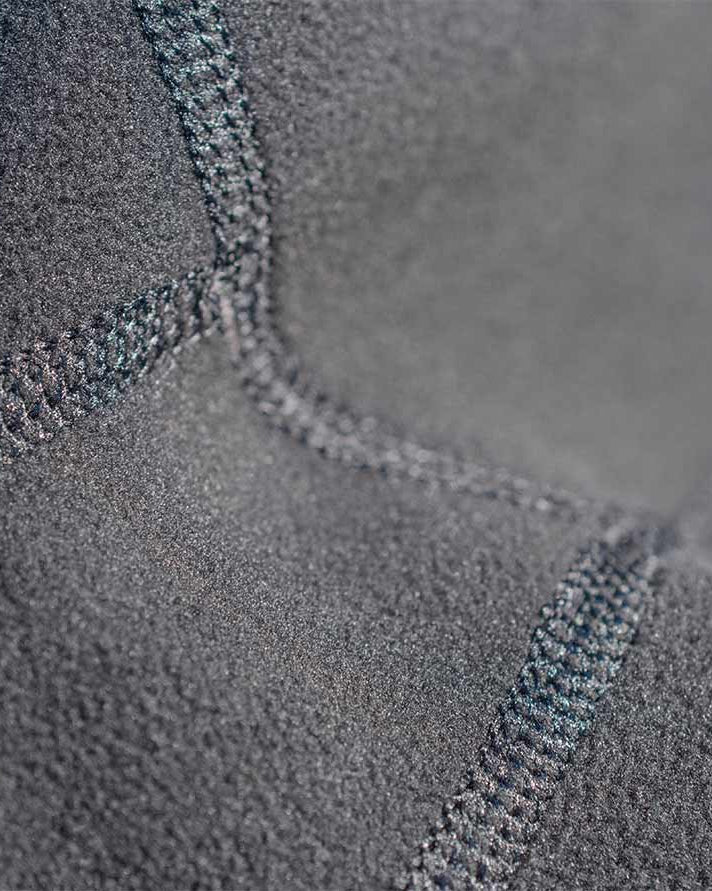
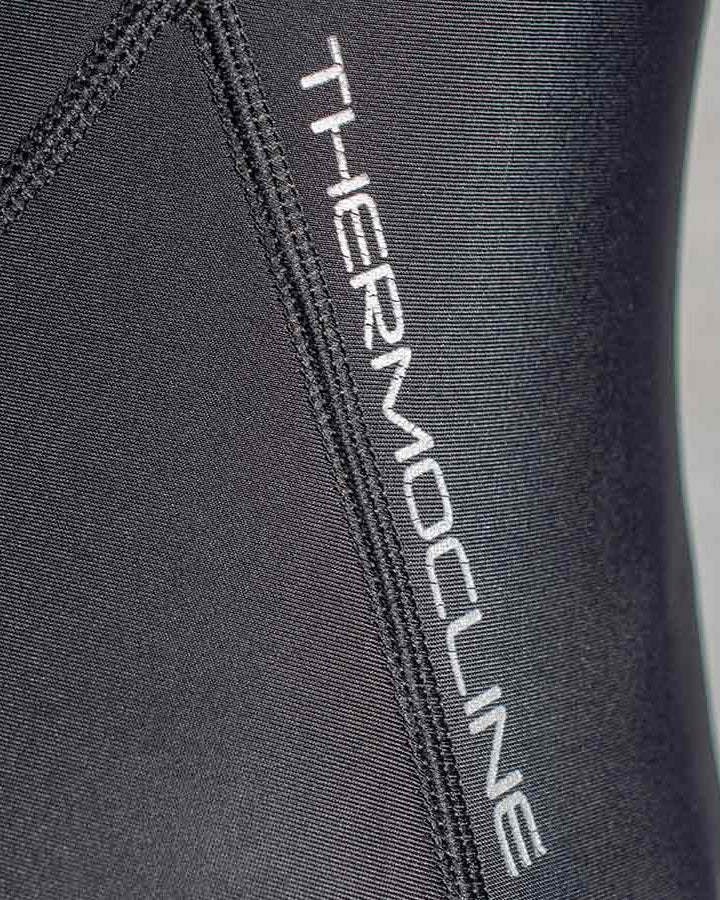
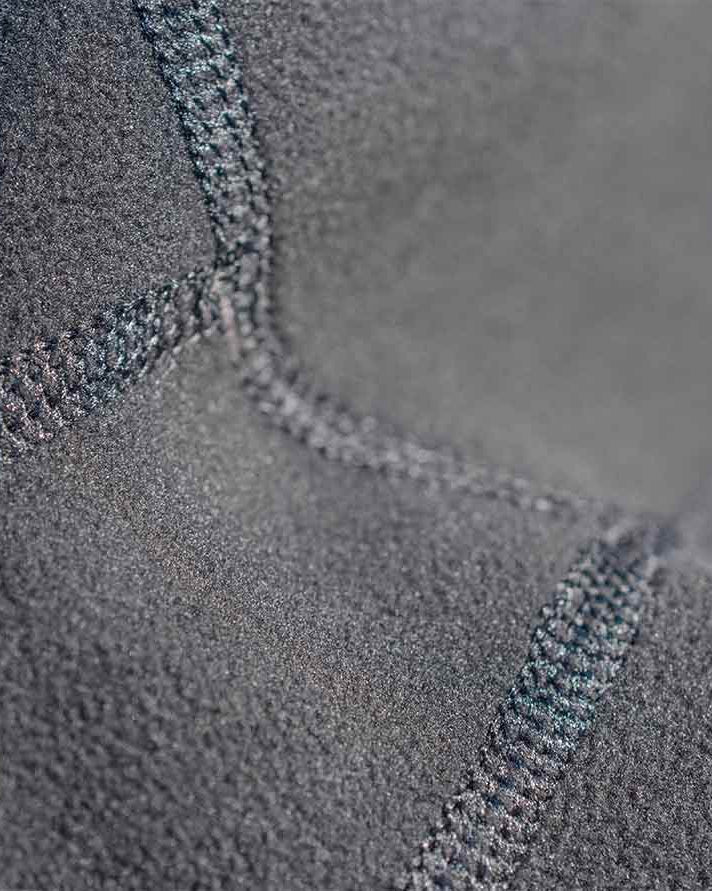
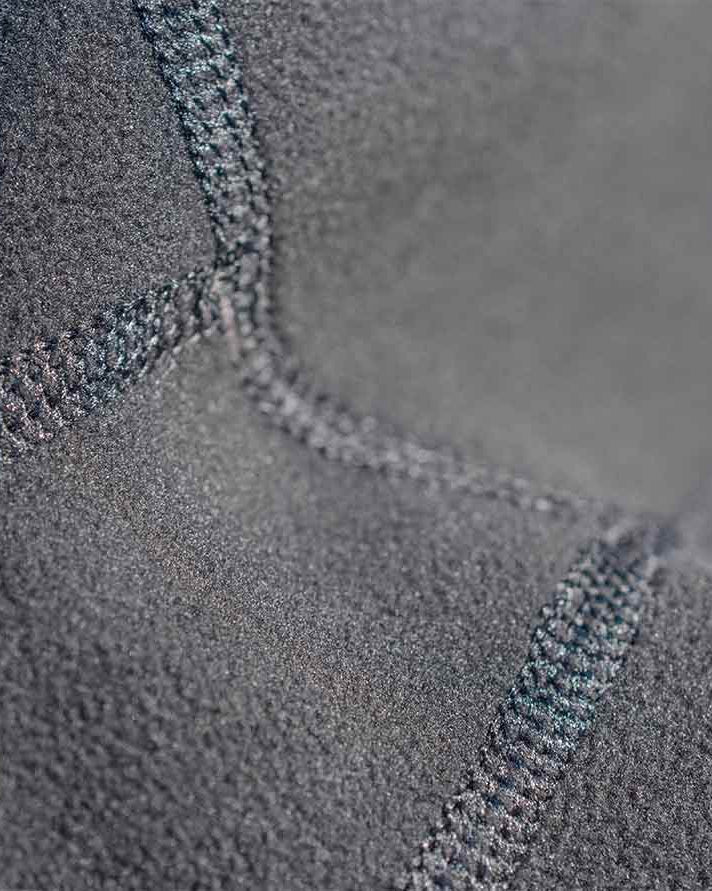
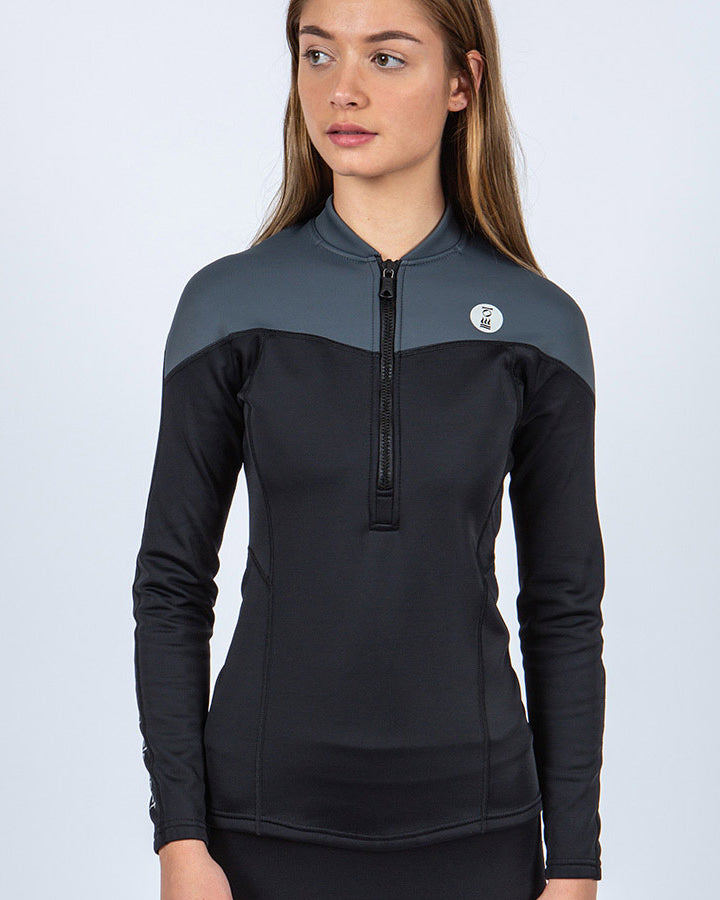
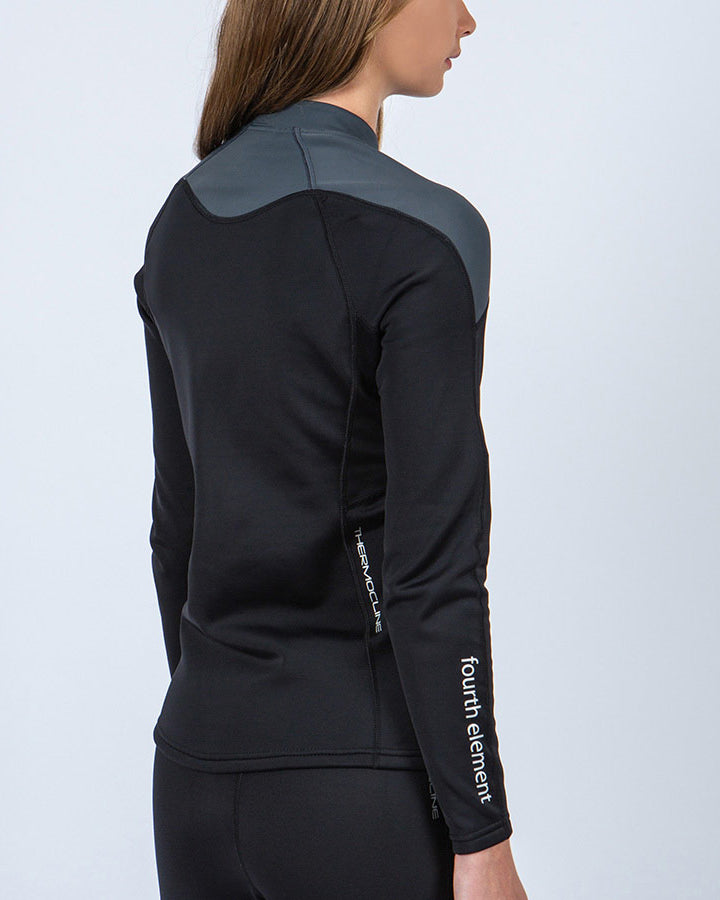
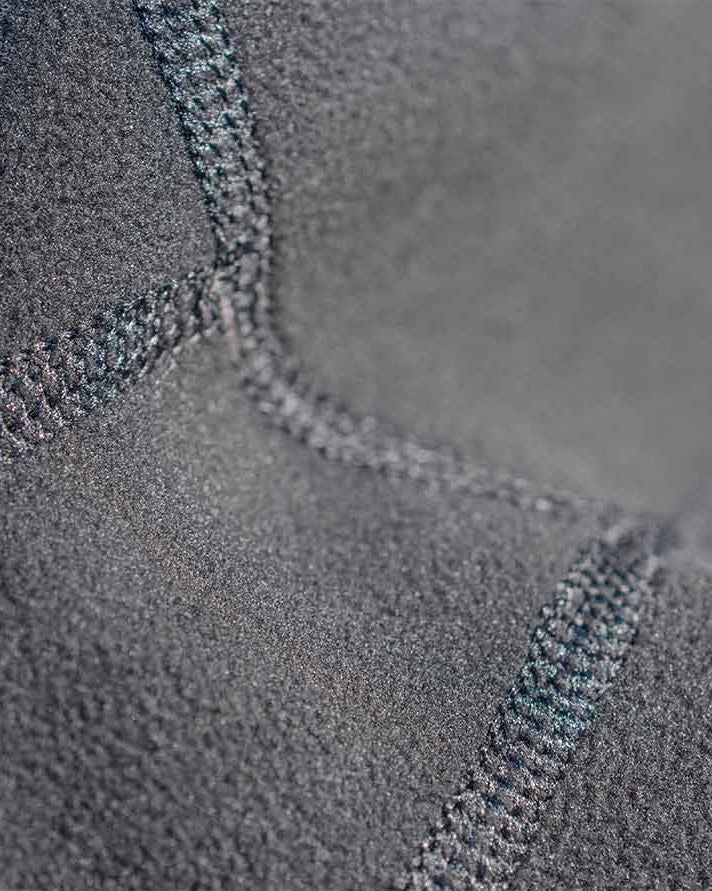
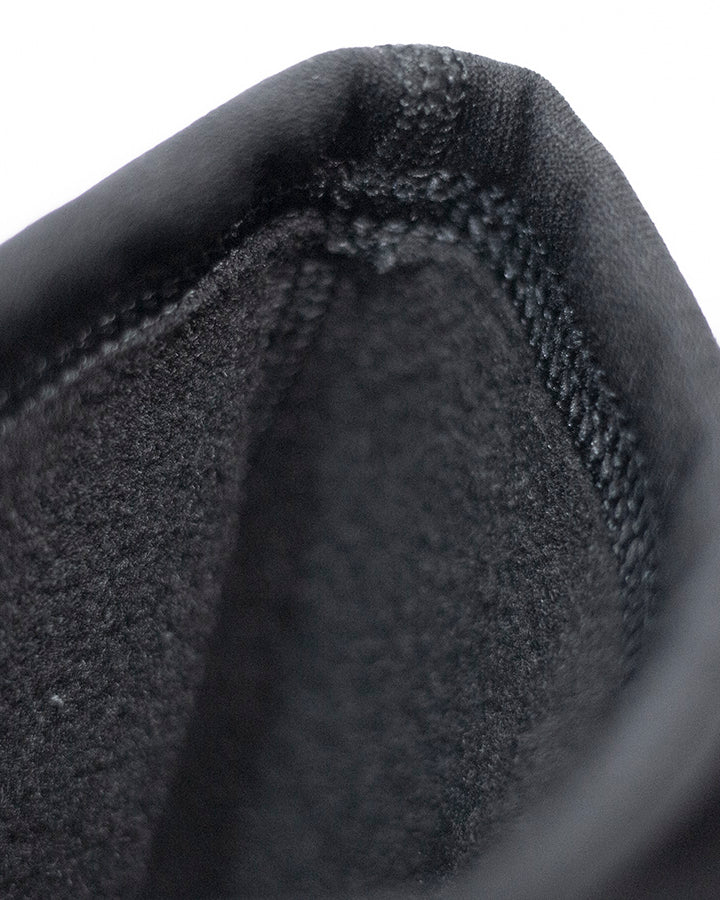
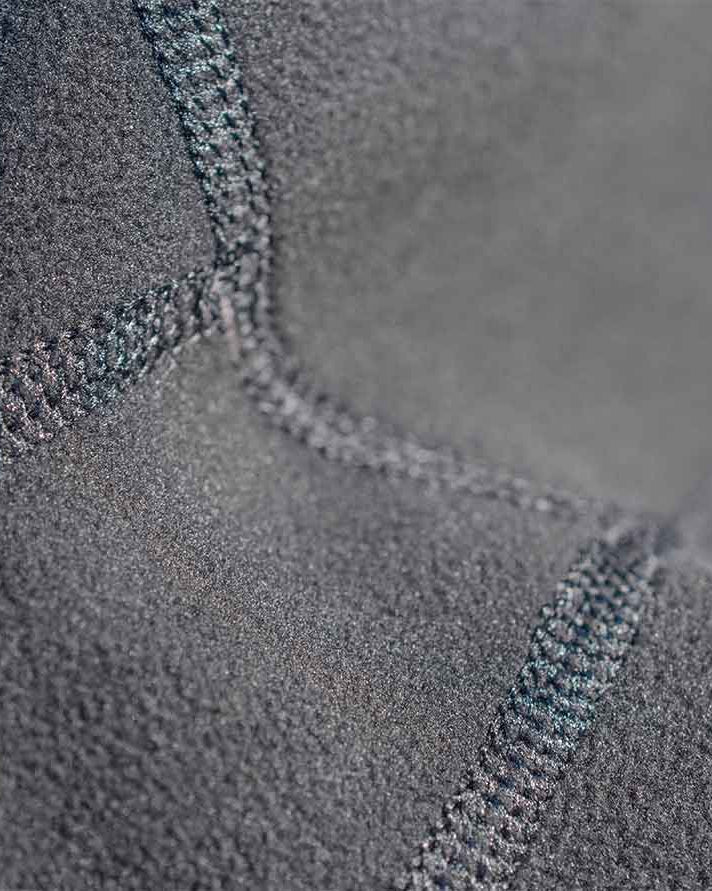
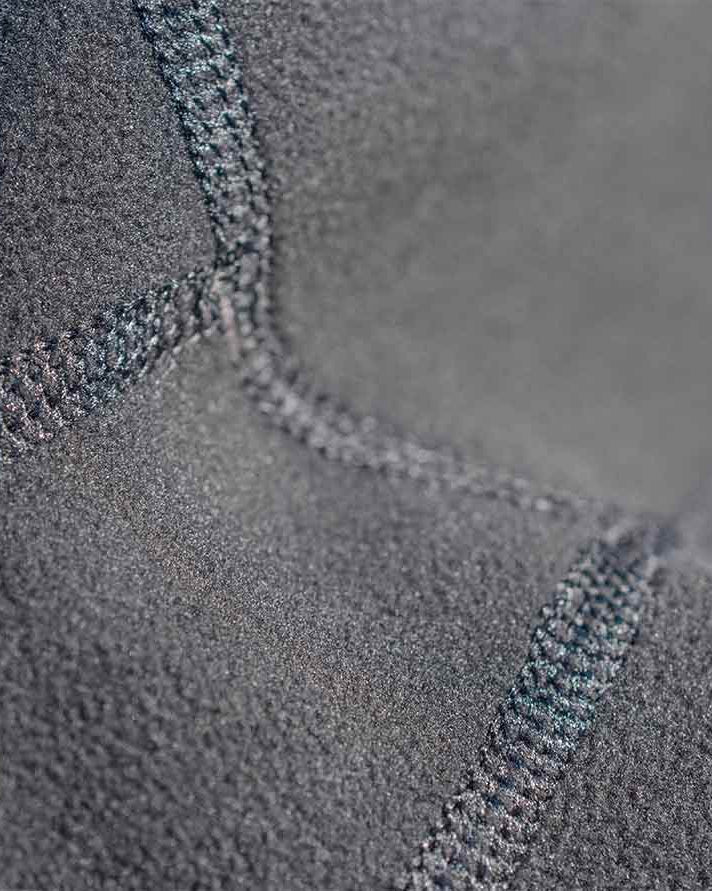
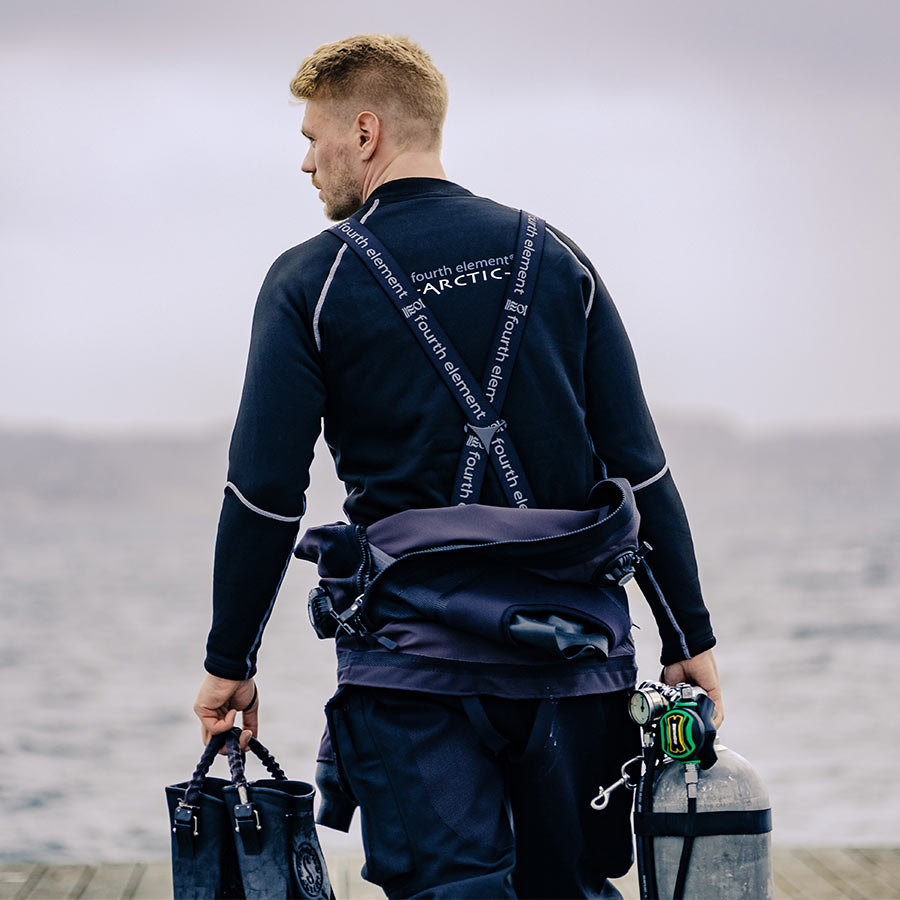
The Thermocline is a lightweight, neutrally buoyant thermal suit built as an alternative to a traditional neoprene wetsuit. A waterproof membrane and thermal fleece keep you comfortable both in and out of the water. In the water, the membrane traps a thin layer next to the body and stops colder water from flowing over the skin. Out of the water, the windproof outer and fleece lining keep you comfortable while you kit up or move between activities.
It is sold as a full system, so you can build the coverage you want:
- One Piece (
- Long Sleeve Top
- Jacket
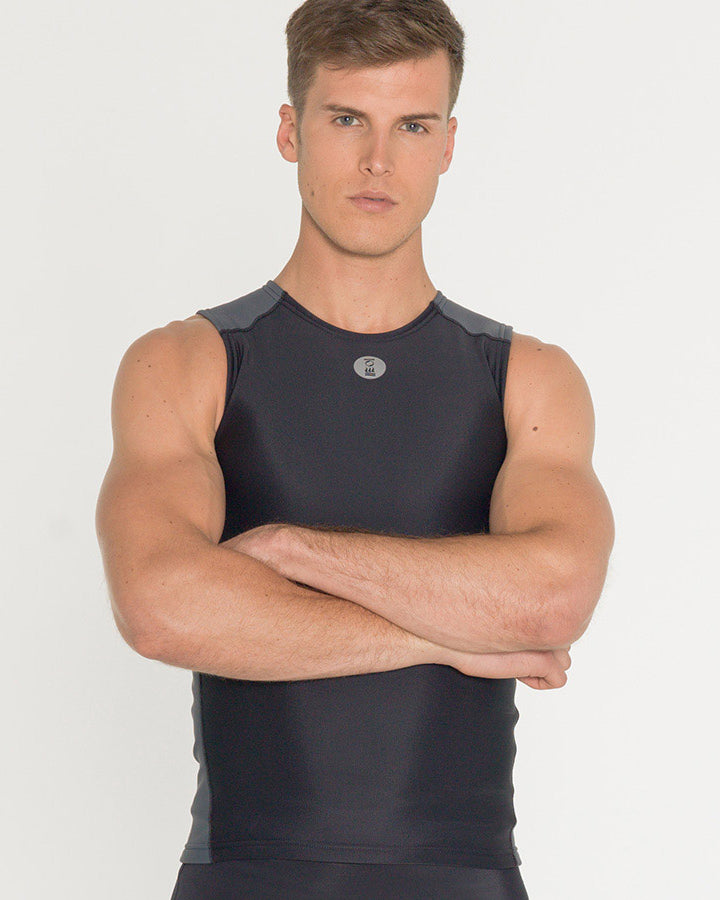
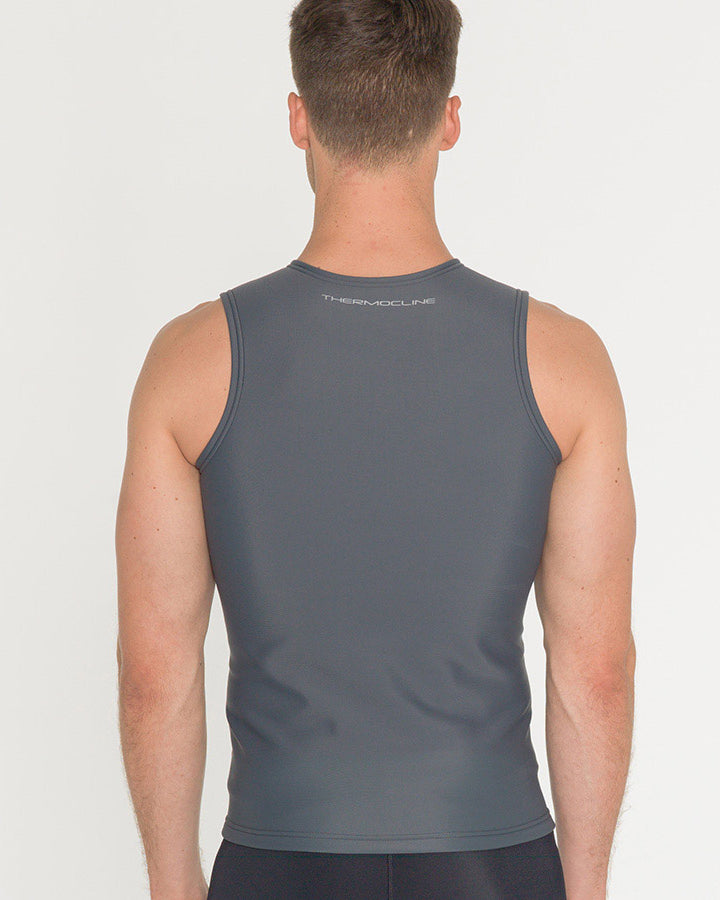
- Vest
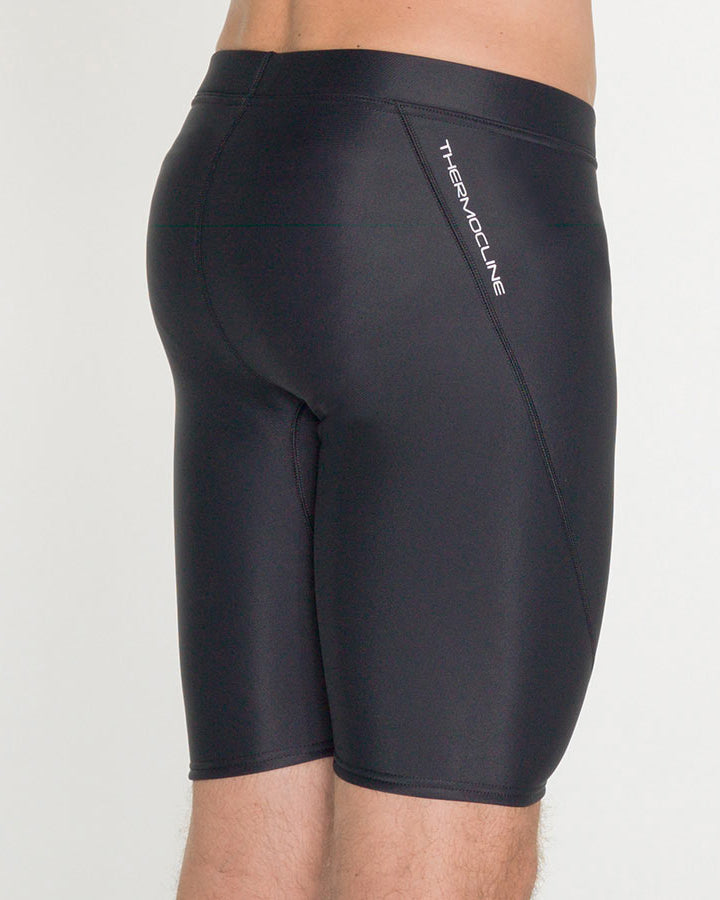
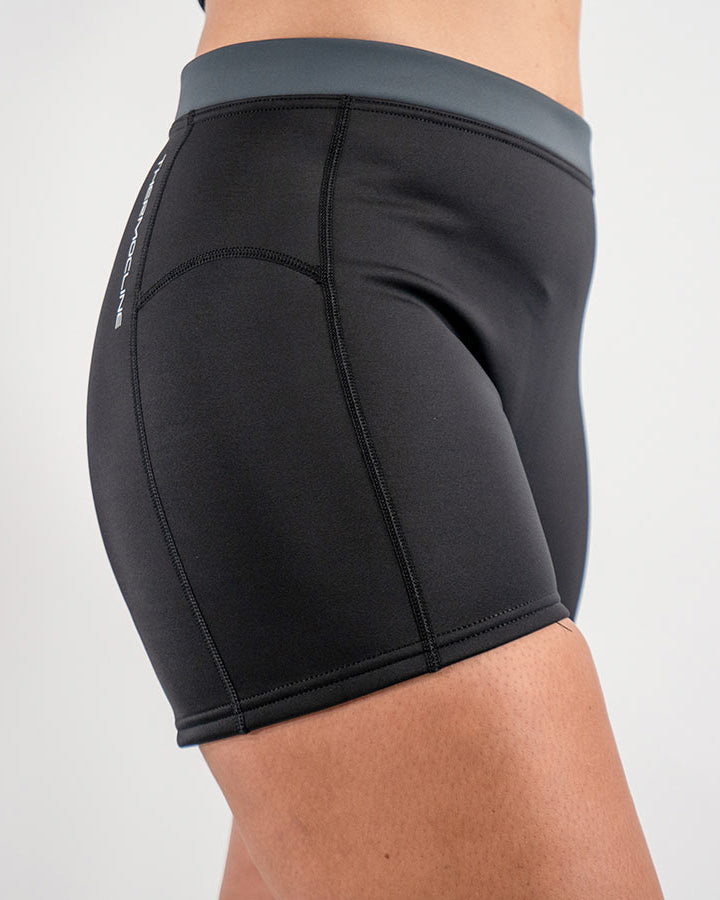
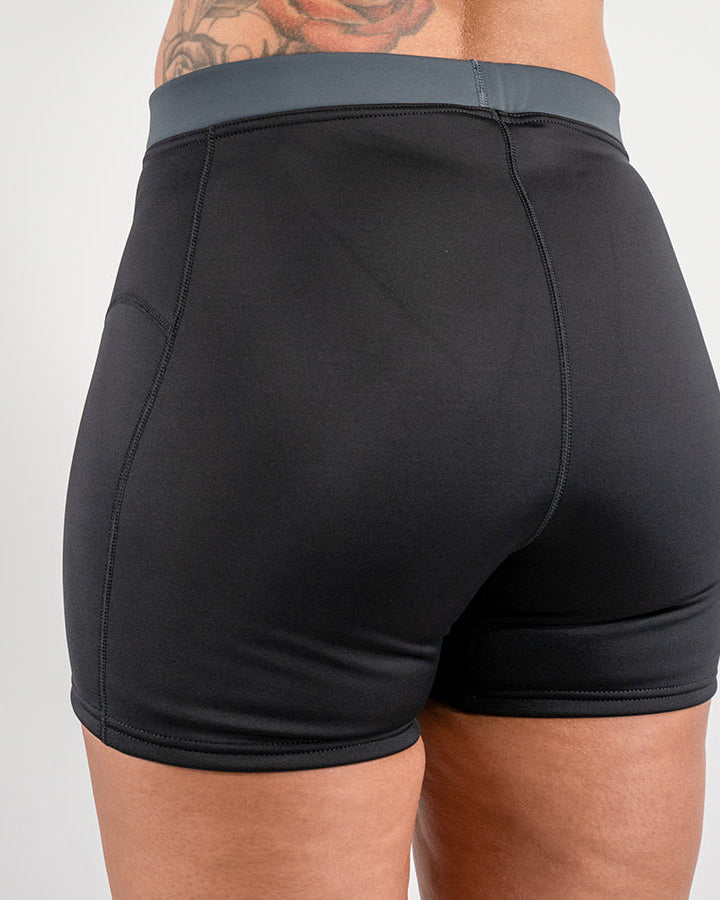
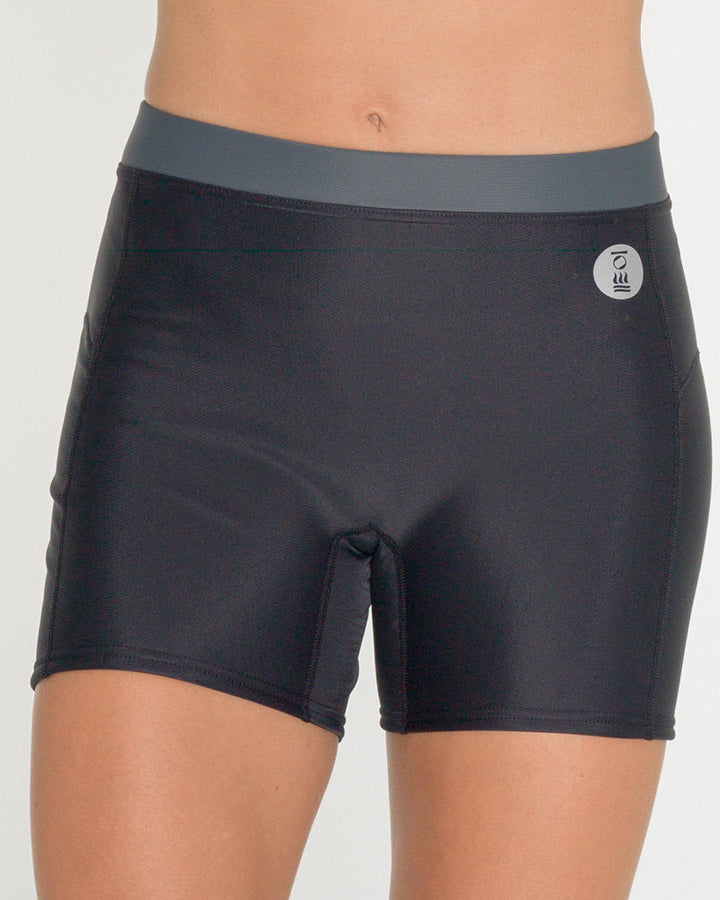
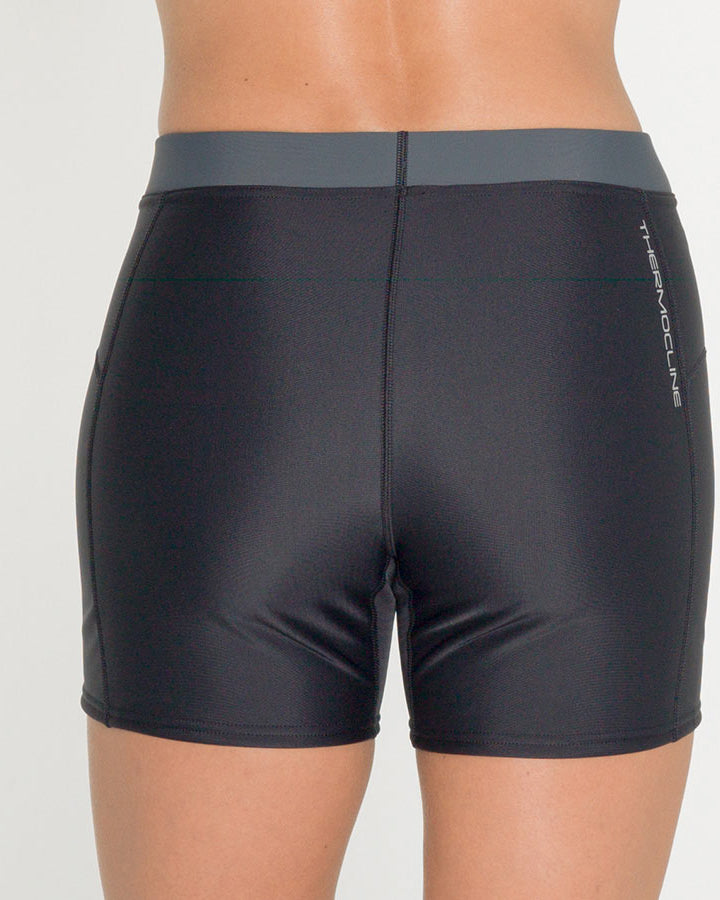
- Shorts
- Leggings
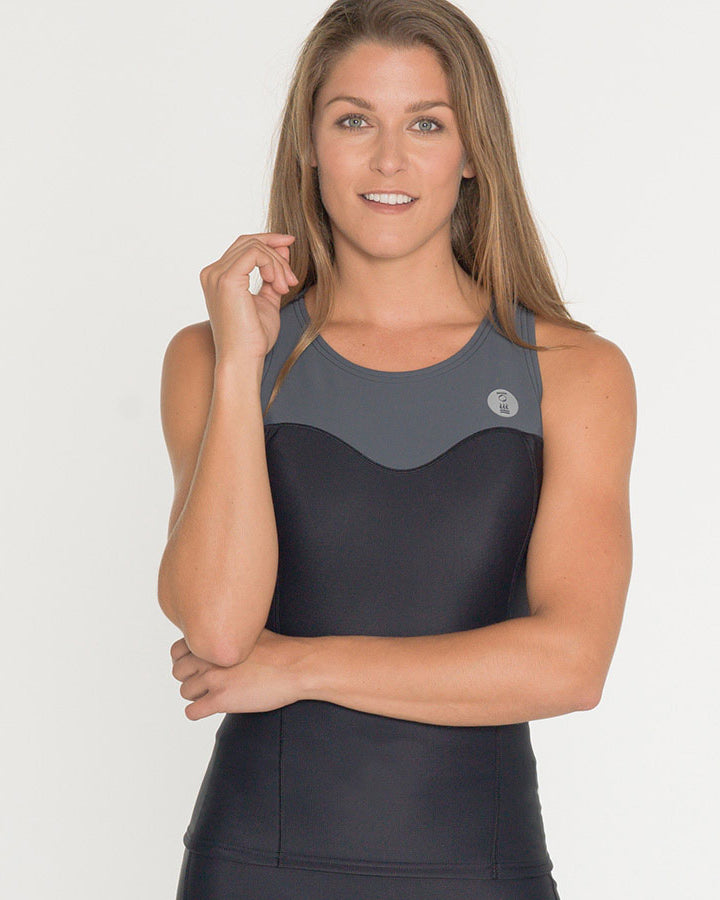
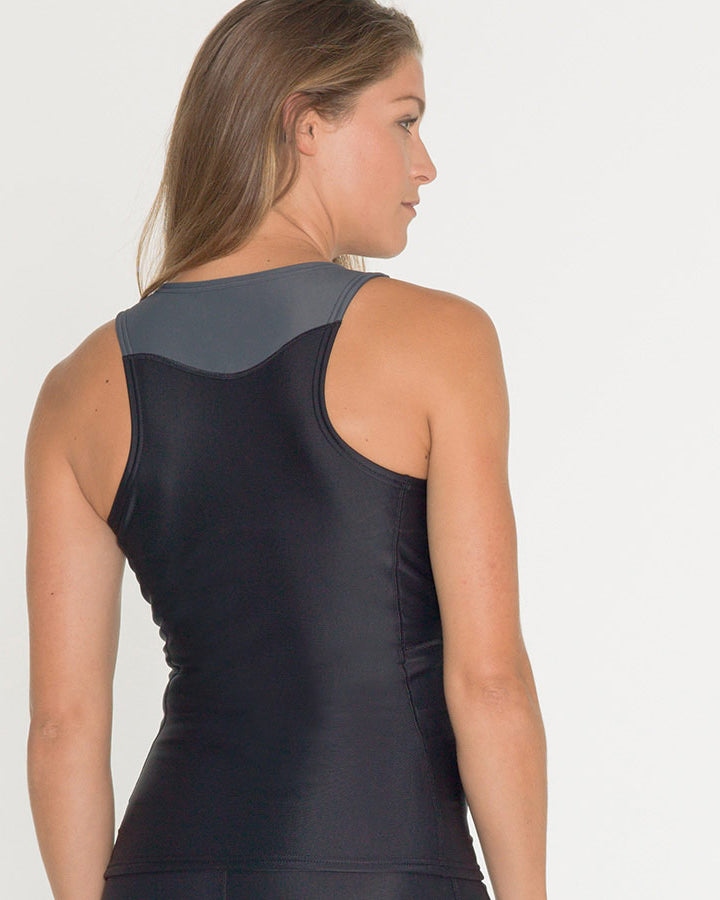
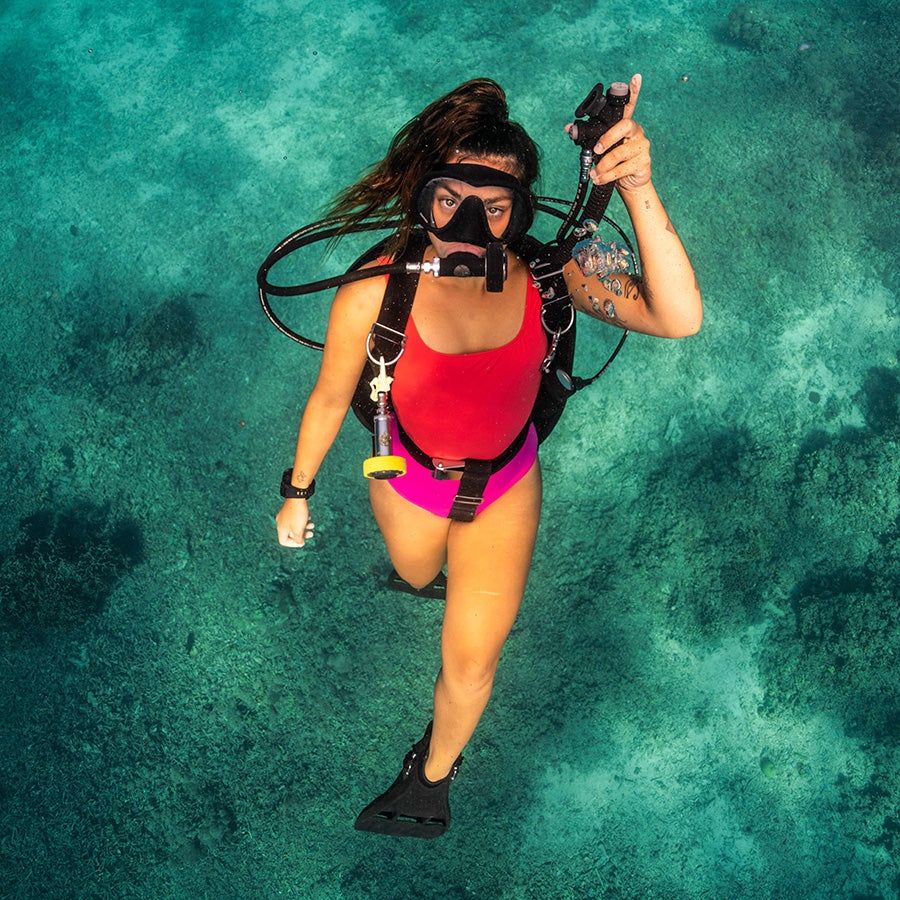
- Long Sleeve Swimsuit (women's)
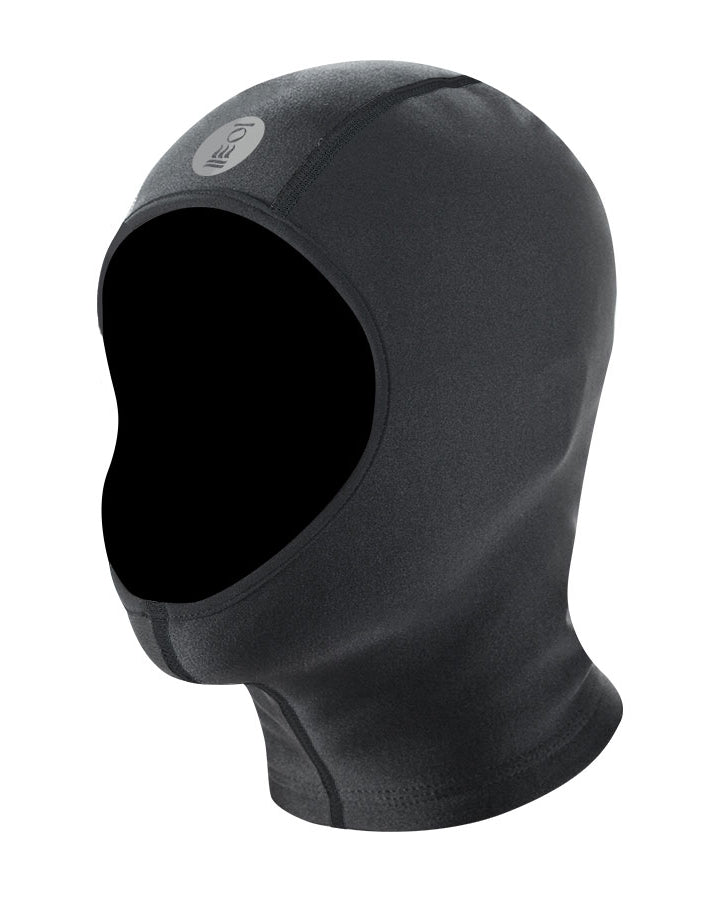
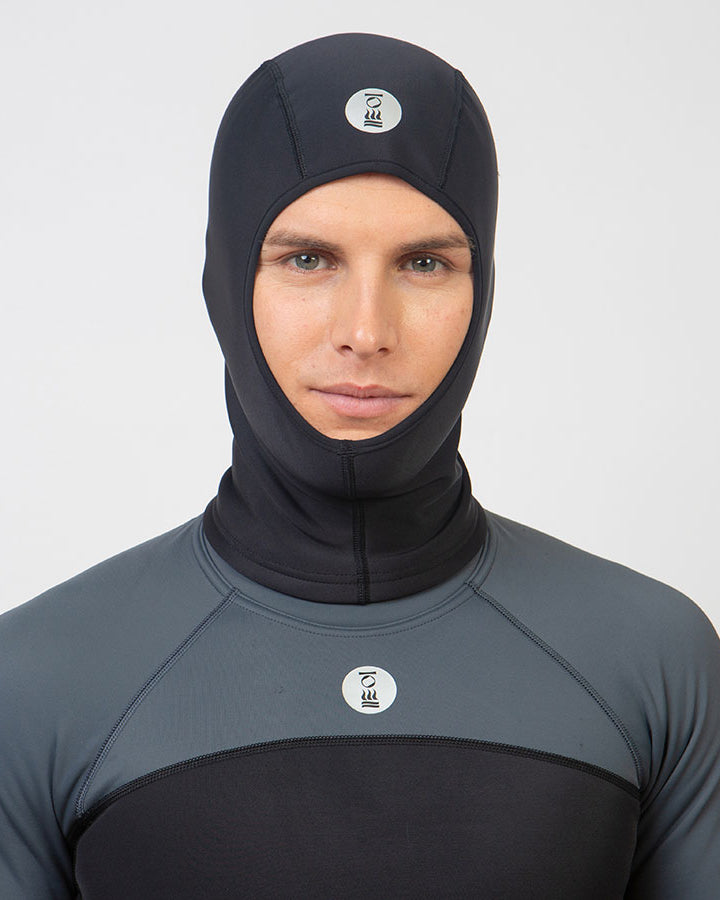
- Hood
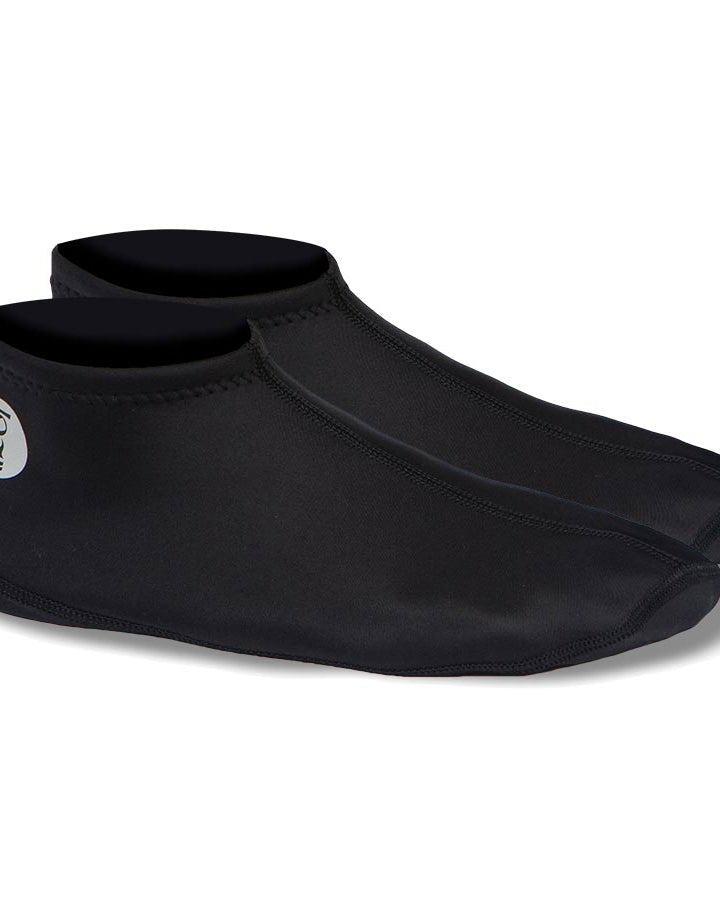
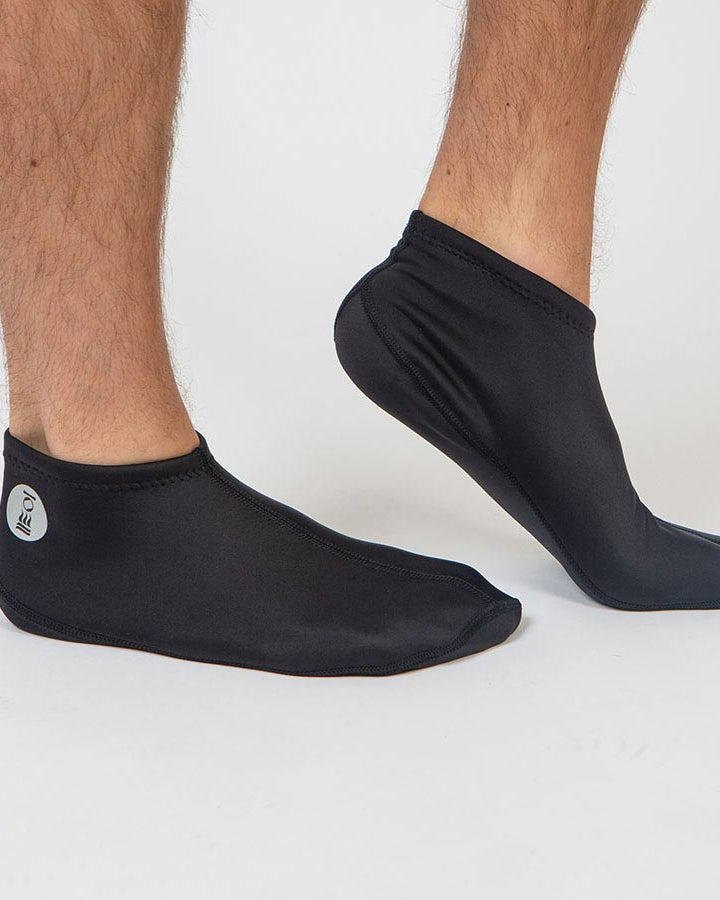
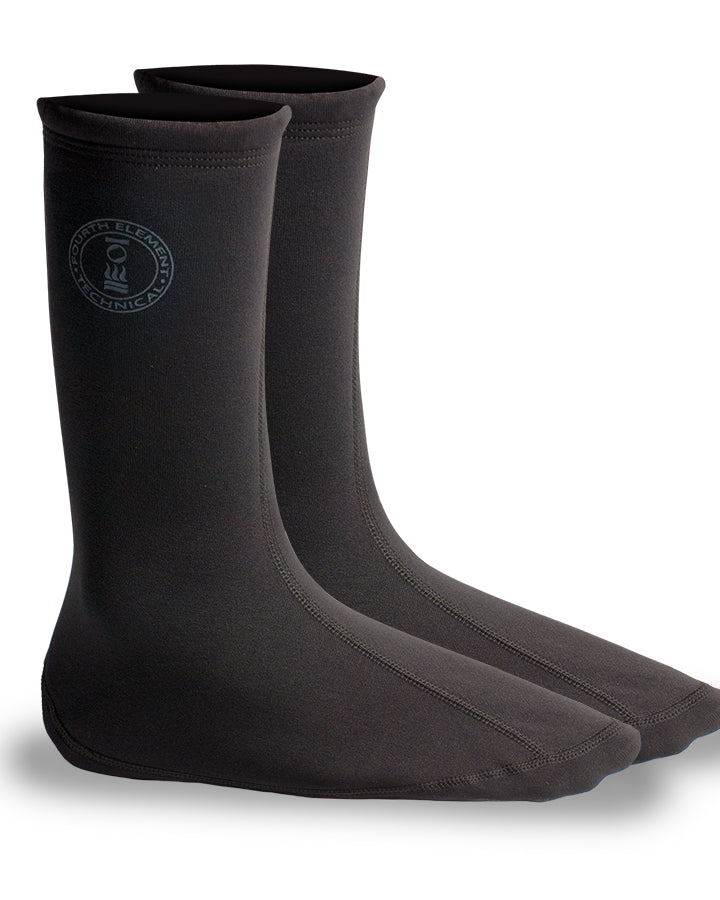
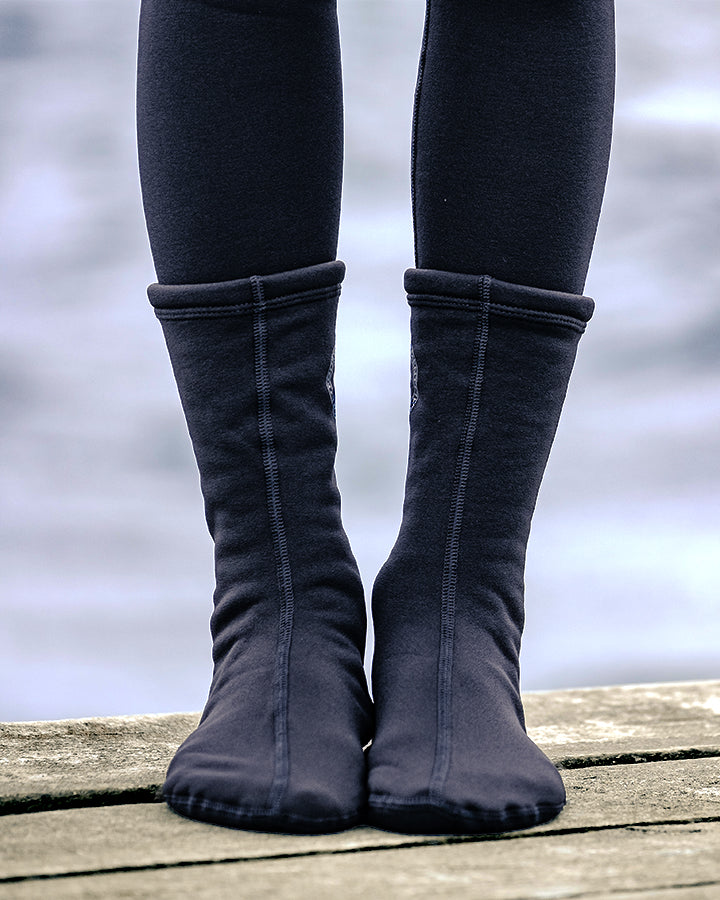
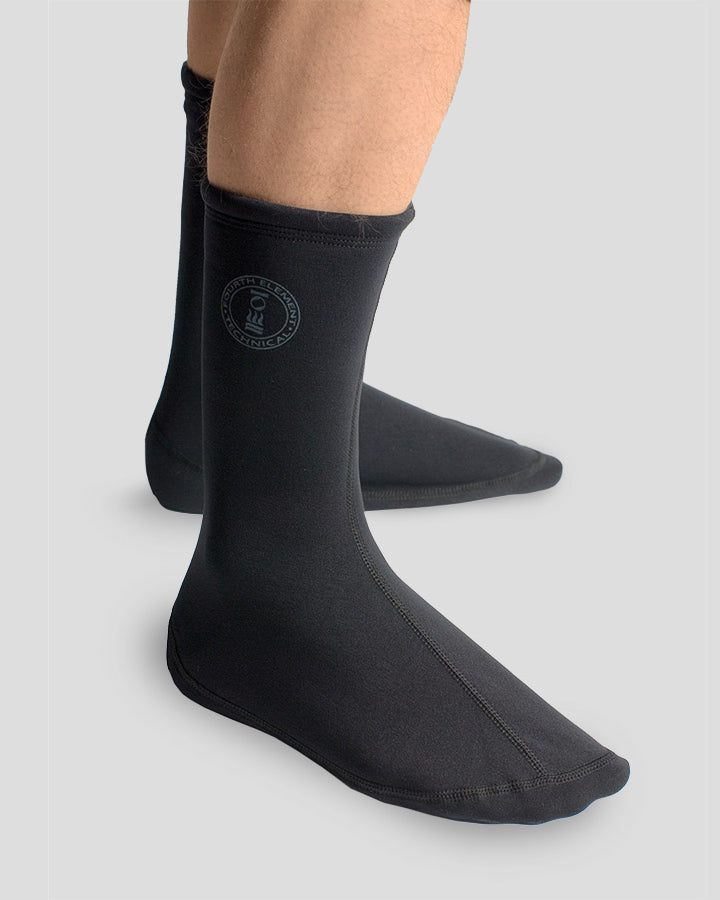
- Fin Socks

How warm is it? The 2mm neoprene question
The Thermocline gives the equivalent of 2mm neoprene thermal protection without using neoprene. That makes it a warming layer for warm-water diving, freediving and surface sports, and a warming alternative to a standard rashguard for anyone who wants more than a sun shirt but less bulk than a full wetsuit.
Neoprene-free, machine washable, hypoallergenic
The Thermocline is breathable, hypoallergenic, and machine washable. It has been used successfully by people who react to neoprene, either as a full replacement for a wetsuit or as a barrier that reduces contact between the skin and the wetsuit. There is no need to store a smelly neoprene suit apart from your other kit: wash it with Sub-30 washing liquid and pack it alongside everything else.
Built for travel
The full suit weighs less than 1kg. It dries rapidly, often within an hour or between dives. Rinse it, squeeze out the excess water, hang it inside out, and it is ready for the next session. For anyone flying with dive or watersports gear, the combination of low weight, fast drying, and machine-washable properties is why the Thermocline earns its place in the bag.
One suit, many watersports
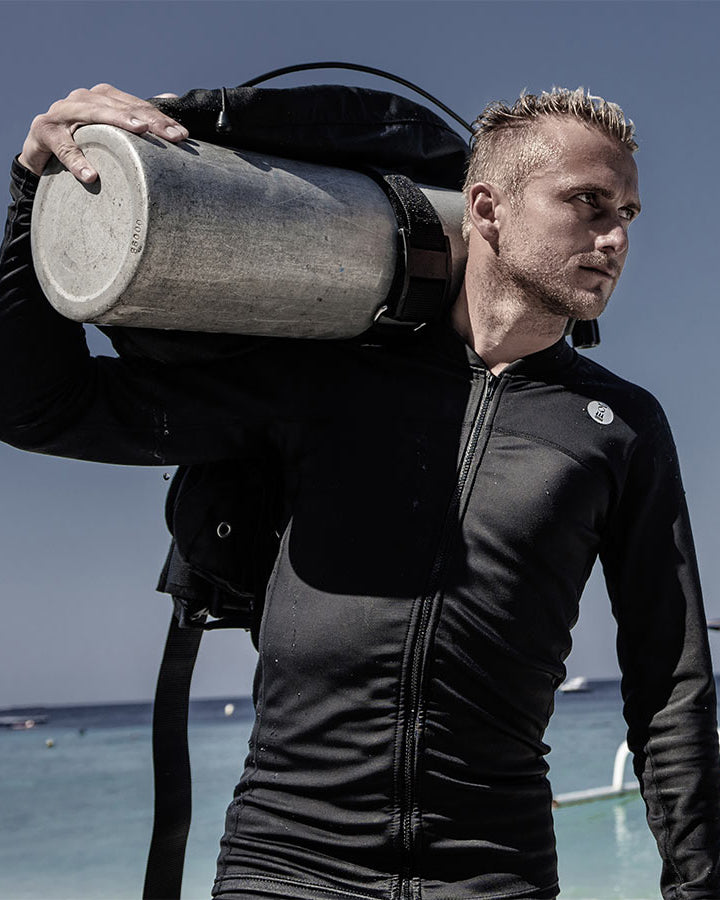
The Thermocline is built for warm-water scuba and for all surface watersports. The inner fleece draws moisture away from the skin and wicks it through the breathable membrane, where it evaporates off the Nylon surface, so you stay comfortable during surface sports and while kitting up. Surfers, freedivers, and scuba divers get the same warmth in the water and wind protection on the surface.
For divers and freedivers, the suit is neutrally buoyant, so you can wear less lead.
Wear it alone or as a barrier layer
The Thermocline can replace a wetsuit entirely in warm water, or work as a barrier layer under a wetsuit that reduces contact between your skin and the neoprene. One piece of kit, two jobs.
Made from recovered ocean plastic
The Thermocline is part of Fourth Element's OceanPositive line. The outer layer is made with 78% recycled Nylon, sourced from ghost-fishing nets and other post-consumer fabrics.
Thermocline compared to a rashguard and a 2mm wetsuit
| Attribute | Thermocline | Standard rashguard | 2mm neoprene wetsuit |
|---|---|---|---|
| Thermal warmth | Equivalent of 2mm neoprene | None | About 2mm of neoprene |
| Neoprene | None | None | Neoprene |
| Weight and packing | Full suit under 1kg, packs small | Very light, packs small | Heavier, bulkier to pack |
| Buoyancy and lead | Neutrally buoyant, less lead | Neutrally buoyant, less lead | Buoyant, more lead needed |
| Drying | Dries fast, often within an hour | Fast | Slower |
| Care | Machine washable | Machine washable | Usually hand wash |

FAQ
Is the Thermocline warm enough for warm-water diving?
Yes. It gives the equivalent of 2mm neoprene thermal protection and is designed for warm-water scuba, freediving and surface sports.
Do I need a thick wetsuit for warm-water diving?
How much warmth you need depends on the water and on you. The Thermocline offers the equivalent of 2mm neoprene thermal protection in a full suit that weighs under 1kg, making it ideal for warm-water diving without the bulk of a thick wetsuit.
How can I stay warm snorkeling without a wetsuit?
A neoprene-free thermal suit like the Thermocline gives the equivalent of 2mm neoprene warmth in a lightweight layer, and works for snorkeling and other surface sports.
Is there a wetsuit alternative for scuba diving?
Yes. The Thermocline is a neoprene-free alternative built for warm-water scuba. It gives the equivalent of 2mm neoprene thermal protection and stays neutrally buoyant, so you can wear less lead.
What is the best lightweight wetsuit for travel?
The Thermocline full suit weighs under 1kg, dries fast, often within an hour, and is machine washable, so it packs small and stays fresh.
What is the best thermal swimwear for warm water?
For warmth without a full wetsuit, a neoprene-free thermal suit like the Thermocline does the trick. The range includes a Long Sleeve Swimsuit, tops, a vest, and a one-piece, so you can match coverage to the water temperature.
Can I wear the Thermocline under a wetsuit?
Yes. It works as a barrier layer under a wetsuit, reducing contact between skin and neoprene, and as a standalone suit in warm water.
Is it suitable for people with a neoprene allergy?
It is neoprene-free and hypoallergenic, and has been used successfully by neoprene allergy sufferers, either as a replacement or as a barrier layer. Speak to a doctor about any skin symptoms before choosing your option.
How do I wash and dry it?
Machine wash it, with Sub-30 washing liquid recommended. It dries rapidly, often within an hour, then a rinse, squeeze, and hang inside out gets it ready for the next dive.
Skin reactions to neoprene are rare and not caused by a single compound, so no barrier can be guaranteed to prevent a reaction. Consult a doctor about any symptoms and possible alternatives.
About the author. Lisa Kremeier is a PADI Open Water Scuba Instructor with Drysuit, Enriched Air, and EFR Instructor ratings, and has dived in Bonaire, Aruba, and Iceland.